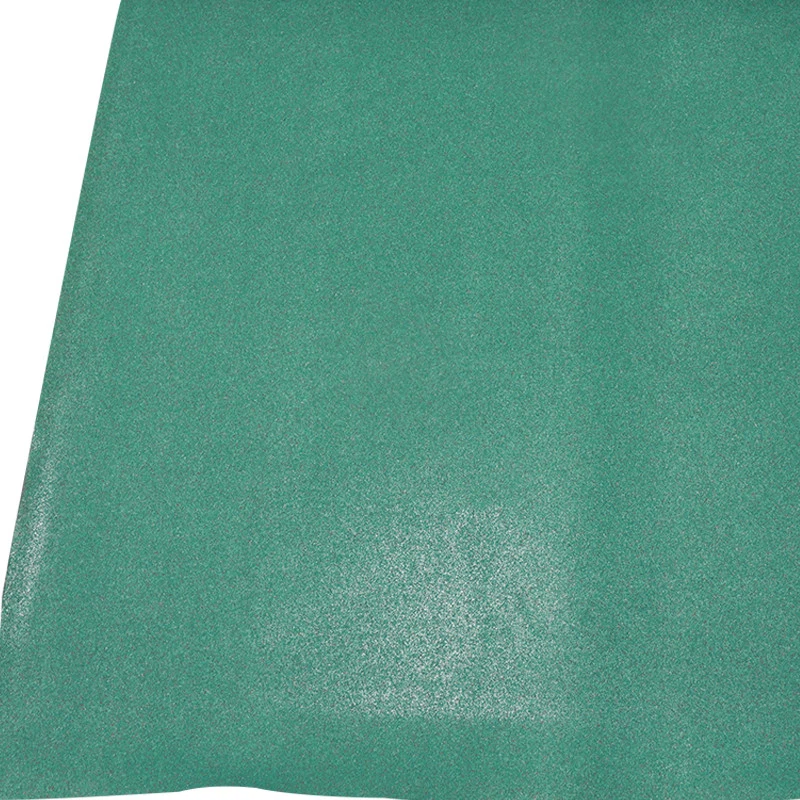
When selecting roofing membranes, temperature is a critical factor: in the South, you need materials that withstand high heat, while in the North, you need ones that endure extreme cold; additionally, the ambient temperature during installation must be considered. The South experiences heavy rain and intense sun, so APP-modified bitumen membranes or light-colored, reflective self-adhesive membranes-which resist heat without sagging-are recommended. In the frigid North, SBS-modified bitumen membranes are essential; the key metric here is low-temperature flexibility-the material must withstand at least -20°C, or it will become brittle and crack in the winter cold. Installation conditions are equally crucial: the ambient temperature should not drop below -10°C for heat-fusion methods, and self-adhesive applications are best performed above 15°C. Avoid forcing the application of self-adhesive membranes below 5°C; instead, apply a hot-melt bitumen primer first to ensure proper adhesion. Another common pitfall involves tensile strength: at low temperatures, a membrane's tensile strength may appear to increase, but its elongation drops significantly, making it prone to cracking with even slight structural movement. Therefore, material selection should not rely solely on tensile strength figures but must also account for low-temperature flexibility and elongation. Finally, try to schedule installation during the warmest part of the day (such as around noon) to avoid the lower temperatures of early morning or evening; this ensures the strongest lap joints and makes the process much easier.
 English
- English
- Lietuvių
- українська
- Türkçe
- Български
- Indonesia
- bosanski
- 한국어
- magyar
- বাংলা
- Español
- Malti
- Português
- עברית
- Polski
- русский
- Gaeilgenah Éireann
- Kreyòl Ayisyen
- slovenščina
- اردو
- Deutsch
- Eesti
- عربي
- O'zbek
- ไทย
- हिंदी
- Latviešu
- Svenska
- Català
- Bai Miaowen
- Cymraeg
- slovenčina
- hrvatski
- فارسی
- Français
- România limbi
- Norsk
- Melayu
- Nederlands
- Việt Nam
- Italiano
- Čeština
- dansk
- Srbija jezik (latinica)
- 日本語
- suomi
- íslenska
- Ελληνικά