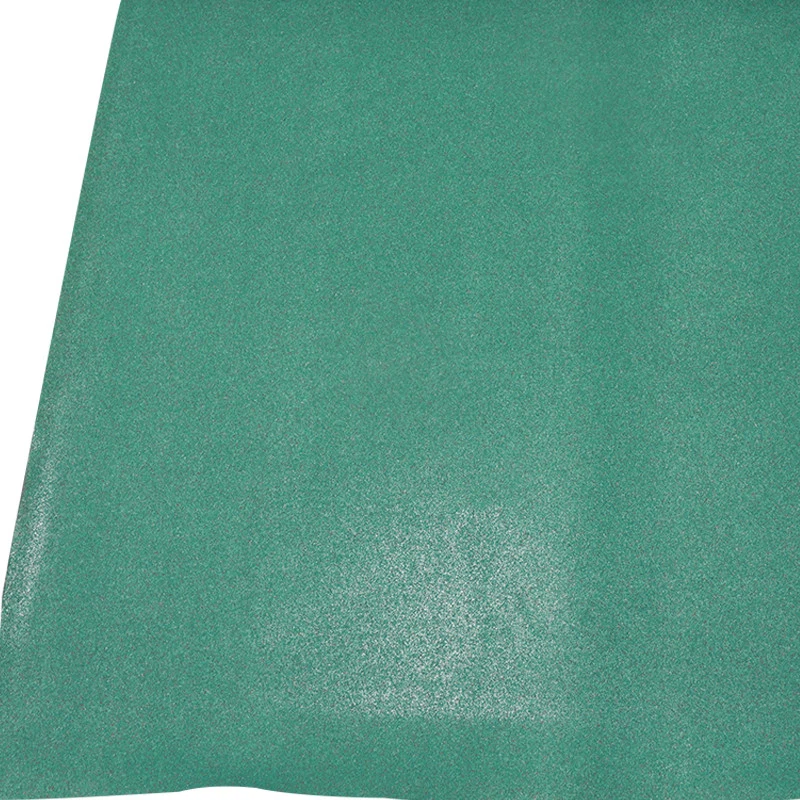
Polyethylene-polyester composite waterproofing membrane is a multi-layered polymer material featuring a "sandwich" structure: a central polyethylene resin waterproofing layer sandwiched between upper and lower reinforcing layers of polyester or polypropylene non-woven fabric. Formulated with anti-aging additives, it is manufactured via a single-step extrusion process. This structure ensures both waterproofing capability and structural strength, offering high tensile strength and excellent impermeability-capable of withstanding 0.3 MPa of water pressure for 30 minutes. It performs reliably across a wide temperature range-from -40°C to +100°C-making it suitable for use in both northern and southern climates. The material is non-toxic, odorless, and eco-friendly; certain variants are even suitable for use in potable water infrastructure. It offers excellent durability, resisting aging and corrosion, and does not easily weather when buried in soil or sand, ensuring a long service life. A major advantage during installation is that the substrate does not need to be completely dry; application can proceed as long as there is no standing water, thereby eliminating waiting times and shortening the construction schedule. Specifications vary: thicknesses range from 0.5 to 1.5 mm, widths from 1.15 to 1.5 m, roll lengths are 50 or 100 m, and area weights range from 300 to 1200 g/m². It has a wide range of applications, including building roofs, basements, bathrooms, and kitchens; municipal infrastructure such as tunnels, subways, and bridges; water conservancy projects like reservoirs, swimming pools, and dams; as well as specialized uses like chemical-resistant lining and puncture-resistant membranes for green roofs. Compared to traditional asphalt membranes, it offers easier installation, superior environmental performance, a wider operating temperature range, and a longer lifespan. Overall, it is a reliable, high-performance, and efficient waterproofing material suitable for various medium-to-large-scale projects. Specific product selection should be based on the required waterproofing grade and project needs, referencing the manufacturer's test reports.
 English
- English
- Lietuvių
- українська
- Türkçe
- Български
- Indonesia
- bosanski
- 한국어
- magyar
- বাংলা
- Español
- Malti
- Português
- עברית
- Polski
- русский
- Gaeilgenah Éireann
- Kreyòl Ayisyen
- slovenščina
- اردو
- Deutsch
- Eesti
- عربي
- O'zbek
- ไทย
- हिंदी
- Latviešu
- Svenska
- Català
- Bai Miaowen
- Cymraeg
- slovenčina
- hrvatski
- فارسی
- Français
- România limbi
- Norsk
- Melayu
- Nederlands
- Việt Nam
- Italiano
- Čeština
- dansk
- Srbija jezik (latinica)
- 日本語
- suomi
- íslenska
- Ελληνικά