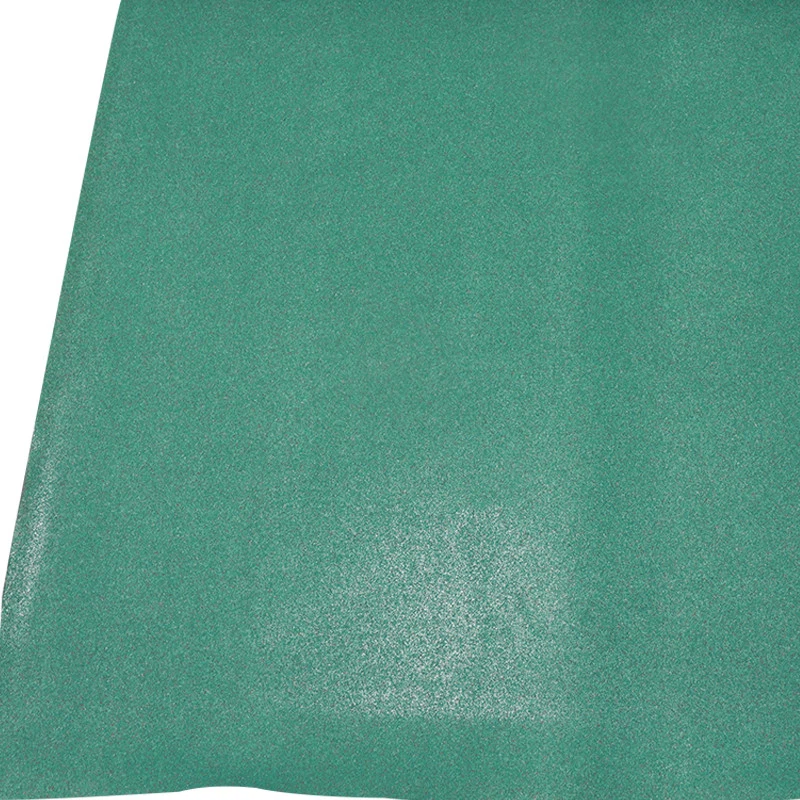
Waterproofing materials are materials with waterproofing properties that effectively prevent water penetration and protect building structures or equipment from moisture damage. Common waterproofing materials include:
1. Waterproof coating: This is a coating applied to surfaces to create a barrier to moisture penetration. It can be used on various surfaces, such as walls, roofs, and floors.
2. Waterproof membrane: This is a material applied to building surfaces to create an effective waterproof layer. Examples include polyethylene, polypropylene, and polyvinyl chloride.
3. Waterproof sealant: This is a material used to fill gaps and joints in buildings and secure building components, effectively preventing moisture penetration.
4. Waterproof adhesive: This is a waterproof adhesive that bonds different materials together and effectively prevents moisture penetration.
5. Waterproof coating: This is a coating applied by brushing or spraying that provides excellent waterproofing properties. It can be used on structures such as basements, bridges, and tunnels.
The above are common waterproofing materials. They play an important role in construction projects, home renovations, and industrial facilities, effectively protecting building structures from water damage, extending their service life, and improving their quality. By selecting appropriate waterproofing materials and using scientific construction methods, we can effectively prevent moisture penetration and ensure a dry and safe building. Let us all pay attention to waterproofing projects and create better living conditions for the built environment. May we all enjoy a clean, comfortable, and safe living space!