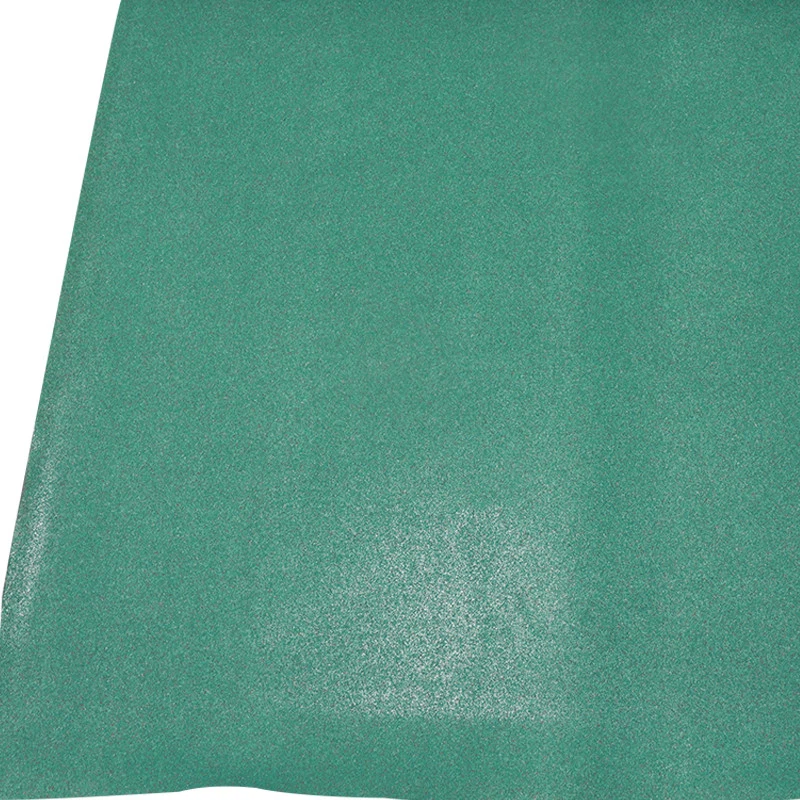
The application scope of waterproofing membranes is very wide, mainly including the following aspects:
Roof waterproofing: Waterproofing membranes are widely used in roof waterproofing, and are suitable for waterproofing projects of ordinary roofs, garden roofs and large shopping malls.
Basement waterproofing: In horizontal building structures such as basements, garages, and subways, waterproofing membranes can effectively prevent water ingress and leakage in basements.
Waterproofing of aquatic ecosystems: Waterproofing membranes can also be used for waterproofing projects of aquatic ecosystems such as ponds and pools to ensure the health and safety of aquatic ecosystems.
Other building parts: Waterproofing membranes are also suitable for waterproofing of building parts such as walls and floors to prevent the penetration of rainwater, snow water and groundwater.
Common types of waterproofing membranes and their characteristics include:
Polymer modified asphalt waterproofing membrane:
Elastomer (SBS) modified asphalt waterproofing membrane: Suitable for roofing and underground waterproofing projects in general and cold areas, with high tensile strength, high elongation, corrosion resistance and other characteristics.
Plastic body (APP) modified asphalt waterproofing membrane: Suitable for roofing, underground waterproofing projects, pipe corridors, pools, etc., with good strength, elongation and aging resistance.
Self-adhesive polymer modified asphalt waterproofing membrane: Suitable for underground projects in cold areas and roof waterproofing projects with rigid protective layers, with good low-temperature flexibility and strong ability to adapt to base deformation.
Synthetic polymer waterproofing membrane:
EPDM rubber waterproofing membrane: Suitable for roofing and underground waterproofing projects of various buildings, with excellent weather resistance, aging resistance and chemical corrosion resistance.