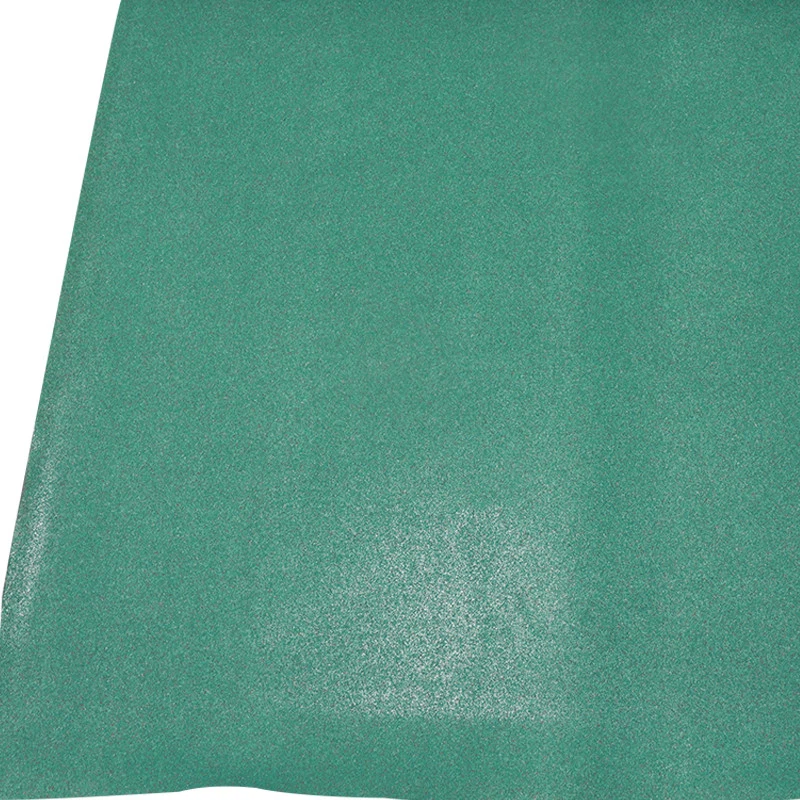
Polymer waterproof membranes are a new type of waterproofing material that offer many advantages and features over traditional waterproofing materials.
First, polymer waterproof membranes offer excellent weather and corrosion resistance, maintaining stable waterproofing effects over long periods of time in harsh environments. This makes them widely applicable in a variety of projects, such as buildings, roads, and bridges.
Second, polymer waterproof membranes possess excellent flexibility and adhesion, allowing them to bond well to the base material, forming a seamless, sealed waterproof layer. Traditional waterproofing materials, on the other hand, often require welding or fusion, making the construction process cumbersome and prone to leaks.
Furthermore, polymer waterproof membranes offer excellent permeability and abrasion resistance, effectively preventing the penetration of external substances such as moisture and chemicals, thereby extending the lifespan of buildings. Traditional waterproofing materials, on the other hand, are susceptible to environmental erosion during use, resulting in a decrease in waterproofing effectiveness.
Overall, polymer waterproof membranes offer significant advantages over traditional waterproofing materials in terms of waterproofing effectiveness, ease of construction, and longevity. Therefore, polymer waterproof membranes are a more advanced and reliable waterproofing material and are expected to be more widely used in the construction industry in the future.