


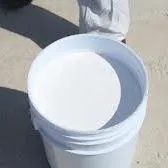

Roof Waterproof Coating
Roof waterproof coating is a waterproof material specially used for building roofs. Its main function is to prevent rainwater from penetrating and protect buildings from water damage. It is usually composed of raw materials such as high molecular polymers, fillers, plasticizers, solvents, etc. After proper blending, the coating can form a uniform waterproof film on the roof surface. Its properties include excellent waterproofness, weather resistance, aging resistance, acid and alkali resistance, and UV resistance. It can withstand extreme climatic conditions such as high temperature, low temperature, alternating changes of wetness and dryness, prevent moisture from entering the roof structure, and avoid corrosion and damage to roof materials. In addition, roof waterproof coating also has good adhesion and elasticity, which can effectively adapt to the slight deformation of the roof caused by thermal expansion and contraction, and prevent the coating from cracking or falling off. It also has strong anti-permeability and sealing properties, and can provide lasting protection in complex roof structures and joints. During the construction process, roof waterproof coating can be applied by brushing, rolling or spraying. It is simple to use and has moderate cost, which is suitable for most roof waterproofing projects.

Advantages
1. Excellent waterproof performance, roof waterproof coating can effectively prevent water penetration
2. Roof waterproof coating can withstand extreme temperature changes, with high thermal stability and frost resistance
3. The coating has a certain elasticity, can adapt to the thermal expansion and contraction of roof materials, and avoid cracking or falling off of the coating due to temperature changes.
4. It has good adhesion with various roof substrates such as concrete, steel, ceramic tiles and other materials
5. The coating has flexible and diverse construction methods, including brushing, rolling and spraying, etc. The process is simple, the construction speed is fast, and no complex construction equipment is required
6. The waterproof coating has strong acid and alkali resistance and is suitable for various environments, especially acidic and alkaline corrosive liquids that may exist in industrial environments.
7. Most modern roof waterproof coatings use environmentally friendly materials with low VOC (volatile organic compound) content. No harmful gases are produced during construction, which is environmentally friendly
8. Whether it is a new building or the renovation of an old building, roof waterproof coatings can be effectively applied, especially suitable for waterproofing of various complex structures and details, such as roof joints, gutters, and areas around roof pipes.
Work Suggestions
When applying the paint, start from the edge or lower part of the roof and evenly apply the first coat of paint. Use a roller, brush or spray gun to ensure that the paint covers evenly and without omissions to avoid water accumulation. The thickness of the coating should be in accordance with the product instructions. Usually the first coat is thinner. When brushing, try to follow one direction and avoid repeated brushing to ensure that the coating is flat and consistent.
After the first coat of paint is dry, apply the second coat. When brushing the second coat, the coating thickness can be slightly increased to ensure the integrity of the waterproof layer. If multiple layers of brushing are required, it is recommended to apply two to three coats, depending on the product instructions and the special requirements of the roof.
The application of paint is not only about brushing over a large area, but also requires special attention to the joints of the roof, drains, gutters, around pipes, and the intersection of the roof and the wall. These parts should be treated with thickened coatings or reinforced materials such as waterproof tape to prevent water penetration.
The edges of the roof and the parts with larger slopes should be brushed several times to ensure that the waterproof layer is seamlessly connected to prevent water from penetrating along the joints.
After painting, it is usually necessary to wait for more than 24 hours for natural curing. Try to avoid rain and sunlight during curing. The curing time varies according to the type of coating.
Transportation And Storage
For solvent-based waterproof coatings such as polyurethane and acrylic, special attention should be paid to avoid contact with flammable materials during transportation, and the corresponding fire safety requirements should be followed.
Since these coatings contain volatile organic solvents, sufficient ventilation must be ensured during transportation, and special vehicles that meet the requirements for the transportation of dangerous goods must be used. Although water-based coatings are more environmentally friendly and safer than solvent-based coatings, low temperature environments must still be avoided. If water-based coatings freeze or become sticky, their performance and construction effects will be affected.
Some water-based waterproof coatings are very sensitive to humidity. Excessive humidity will affect the curing effect of the coating or cause the coating to corrode. Therefore, ensure that the coating is stored in a dry environment during transportation.
It should be stored in an environment between 5°C and 35°C, avoiding extreme environments of high or low temperatures. Too high a temperature may cause the coating to cure prematurely or deteriorate in performance, while too low a temperature may cause the coating to thicken, agglomerate or freeze, affecting the construction effect. For some water-based and solvent-based paints, low temperatures may cause the paint to delaminate, deteriorate or freeze.
The ideal humidity should be less than 80%. If the storage environment is too humid, moisture protection measures can be taken, such as using moisture-proof bags, dehumidifiers or air dryers.
If the paint needs to be stacked, avoid stacking too high to prevent the paint buckets below from being deformed or cracked due to pressure. When stacking, you can use supports such as pallets to arrange the paint buckets neatly and keep them stable.
Work Area
Balconies and terraces
Commercial buildings and office buildings
Shopping centers, supermarkets
Factories and warehouses
Cement plants and chemical plants
Public facilities such as hospitals, schools, gymnasiums, museums, exhibition halls
Urban infrastructure such as tunnels, underground parking lots, bridges and overpasses
Seaside, humid environments
Hot Tags: water resistant paint for roof, China water resistant paint for roof manufacturers, suppliers, factory, waterproofing fungicide, waterproof paint for concrete, self leveling waterproof paint, waterproofing knob, Water Resistant Paint for Roof, renovation waterproof paint


