


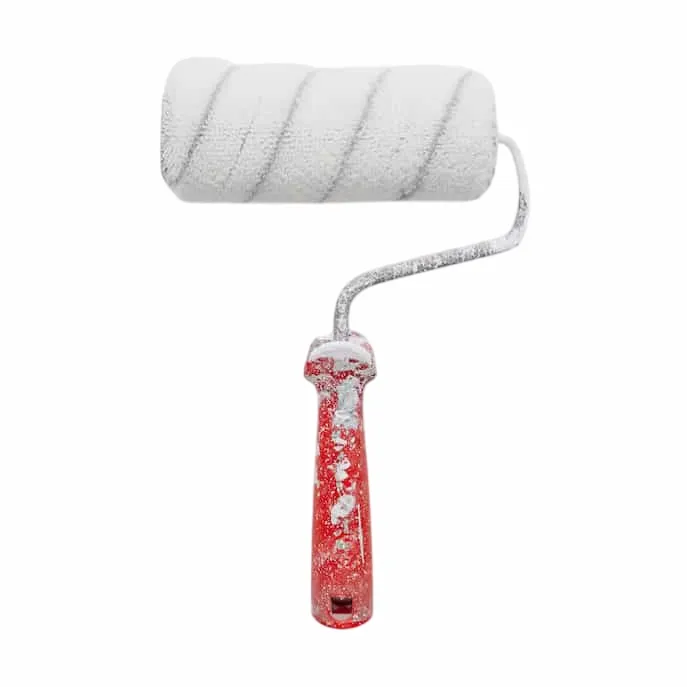

Best Waterproof Exterior Wall Coating
Waterproof exterior wall coating is a special material specially used to protect the exterior wall of a building. It can effectively resist the erosion of the wall by rain, moisture and other harsh environmental factors. As the first barrier to protect the exterior wall building, it must not only provide excellent waterproof performance, but also meet comprehensive needs in many aspects to ensure the long-lasting beauty and functional stability of the building.
Excellent waterproof exterior wall coatings can block the infiltration of external rain and moisture by forming a high-strength dense coating film, while allowing internal water vapor to be discharged through the coating film, thereby avoiding the problem of dampness, mold or cracking inside the wall. In addition, waterproof coatings need to remain stable in the natural environment for a long time and not lose their function due to ultraviolet rays, high temperature, cold or weathering. This durability can significantly extend the service life of the exterior wall and reduce maintenance and renovation costs.
In addition to functionality, waterproof exterior wall coatings also pursue the unity of decorative and environmental performance. Modern high-end coatings usually have a rich color selection and different texture effects, such as matte, silk or gloss, which can meet the needs of various architectural styles. At the same time, with the improvement of environmental awareness, low VOC (volatile organic compounds) and non-toxic formulas have become mainstream, making them more friendly to human health and the environment during construction and use.

Advantages
It can form a dense waterproof coating film, effectively blocking rain and moisture penetration.
In harsh natural environments, the coating will not fade, powder or peel off, ensuring that the exterior wall will last as long as new.
The coating allows water vapor inside the wall to be discharged smoothly, preventing blistering, peeling or mold caused by water vapor accumulation.
Low VOC (volatile organic compounds) or no VOC formulas are non-toxic and odorless during construction, and harmless to the human body and the environment.
It can be firmly attached to the surfaces of various substrates such as concrete, mortar, brick walls, etc., and is not easy to fall off.
The coating has strong chemical stability and can maintain a protective effect for more than 10 years, greatly reducing maintenance and renovation costs.
It dries quickly after construction, and the coating is formed quickly, saving construction time.
Work Suggestions
Apply a layer of primer (such as penetrating primer) on a clean and dry base to enhance adhesion and seal the wall surface.
It is recommended to apply the paint several times, and each layer should be applied evenly with moderate thickness to avoid sagging.
It is usually recommended to apply two to three layers, and sufficient drying time should be allowed between each layer (usually 4-6 hours, subject to the paint instructions). Apply waterproof paint after the primer is dry.
Transportation And Storage
Wrap the paint bucket with reinforcement materials (such as shock pads, foam boards, etc.) to avoid deformation or damage caused by collision.
If a large amount of paint is transported, a waterproof and leak-proof cloth can be laid on the bottom of the transport vehicle to prevent accidental leakage from contaminating the carriage or the ground.
Prevent high temperature and sun exposure. Long-term exposure of the paint to the sun may cause the barrel to overheat or even expand and crack, affecting the performance of the paint.
Solvent-based paint may evaporate at high temperatures and even pose a risk of fire. Choose a well-ventilated means of transportation and avoid staying in high-temperature areas.
The paint should be stored in an environment with room temperature of 5°C-35°C to avoid performance changes caused by high or low temperatures.
Paint buckets must not be in direct contact with the ground. It is recommended to use wooden pallets or plastic pads to isolate them to prevent corrosion or leakage at the bottom of the bucket due to moisture on the ground.
The storage area should be well ventilated, especially the gas emitted by solvent-based paints is easy to form flammable and explosive mixtures. Ventilation can reduce safety risks.
When stacking, the height of each layer should not exceed three barrels to avoid deformation or leakage of the bottom paint barrel due to pressure.
The paint should be used up as soon as possible after opening, especially water-based paint, which is recommended to be used up within 1-2 weeks. If the paint leaks, it should be treated with adsorbent materials (such as sawdust, sand) and the site should be properly cleaned.
Application Areas
Exterior wall protection of public facilities such as schools, hospitals, shopping malls, office buildings, etc., to enhance the building's resistance to weathering and reduce long-term maintenance costs.
Waterproof coatings are used on the exterior walls of industrial plants to provide waterproof and anti-corrosion protection against the effects of chemicals and harsh climates.
Used for waterproofing and anti-seepage treatment of structures such as bridge columns and tunnel walls to extend service life and improve safety.
Surface waterproofing of buildings such as dams and culverts, especially in areas with high humidity and water flow.
For the exterior walls of buildings in cold areas, it provides excellent low-temperature resistance to prevent cracking or peeling of the exterior walls caused by freeze-thaw cycles.
Suitable for the protection of the exterior walls of farmhouses, greenhouses, and granaries to prevent water vapor intrusion and protect crops and equipment.
Hot Tags: best waterproof exterior paint, China best waterproof exterior paint manufacturers, suppliers, factory, waterproofing repellent, waterproofing trowel, waterproofing unit, interior waterproof paint, anti fungal waterproof paint, diy waterproof paint


