


As a supplier of Root Proof Membrane, I often get asked about the electrical insulation performance of this product. In this blog post, I'll delve into what electrical insulation performance means in the context of Root Proof Membrane, its significance, and how our product measures up.
Understanding Electrical Insulation Performance
Electrical insulation performance refers to a material's ability to resist the flow of electric current. In the case of Root Proof Membrane, this characteristic can be crucial in certain applications. For example, in green roofs where there might be electrical wiring for irrigation systems, lighting, or other equipment, a membrane with good electrical insulation can prevent electrical leakage and potential safety hazards.
The electrical insulation performance of a material is typically measured by its resistivity, which is the inherent resistance of a material to the flow of electric current. A higher resistivity indicates better insulation properties. Other factors that can affect electrical insulation performance include the material's thickness, density, and the presence of any conductive impurities.
Factors Affecting the Electrical Insulation of Root Proof Membrane
Material Composition
The materials used to manufacture Root Proof Membrane play a significant role in its electrical insulation performance. Most Root Proof Membranes are made from polymers such as polyethylene, polypropylene, or bitumen. These polymers are generally good electrical insulators because they have a high number of covalent bonds, which restrict the movement of electrons.
For instance, polyethylene has a relatively high resistivity, making it an excellent choice for electrical insulation applications. When used in Root Proof Membrane, it can provide a reliable barrier against electrical current. Additionally, some membranes may be reinforced with fibers or other additives to enhance their mechanical properties, which can also have an impact on electrical insulation.
Thickness and Density
The thickness and density of the Root Proof Membrane can also influence its electrical insulation performance. A thicker membrane generally provides better insulation because it offers more material for the electric current to pass through, increasing the resistance. Similarly, a higher density membrane can have better insulation properties as it has fewer voids or gaps through which the current can leak.
However, it's important to note that increasing the thickness or density of the membrane may also affect other properties such as flexibility and ease of installation. Therefore, a balance needs to be struck between electrical insulation and other performance requirements.
Environmental Conditions
Environmental factors such as temperature, humidity, and the presence of chemicals can also affect the electrical insulation performance of Root Proof Membrane. High temperatures can cause the polymer material to expand, which may reduce its density and increase the risk of electrical leakage. Humidity can also have a negative impact as water is a good conductor of electricity. If the membrane is exposed to high humidity for an extended period, it may absorb water, which can lower its resistivity.
Furthermore, the presence of chemicals in the soil or water can react with the membrane material, potentially altering its electrical insulation properties. For example, acidic or alkaline substances can degrade the polymer, reducing its effectiveness as an insulator.
Our Root Proof Membrane's Electrical Insulation Performance
At our company, we take pride in offering high - quality Root Proof Membranes with excellent electrical insulation performance. Our membranes are made from premium polymers that have been carefully selected for their electrical properties. We use advanced manufacturing processes to ensure consistent thickness and density, which helps to maintain reliable electrical insulation.
In addition, our membranes are designed to withstand a wide range of environmental conditions. They are resistant to moisture, temperature fluctuations, and chemical exposure, which means that their electrical insulation performance remains stable over time. We conduct rigorous testing on our products to ensure that they meet or exceed industry standards for electrical insulation.
Applications and Benefits of Good Electrical Insulation in Root Proof Membrane
Green Roofs
As mentioned earlier, green roofs are one of the main applications where the electrical insulation performance of Root Proof Membrane is crucial. In green roofs, there are often electrical systems for irrigation, lighting, and monitoring. A Root Proof Membrane with good electrical insulation can protect these systems from short - circuits and electrical failures, ensuring the safety and reliability of the green roof.
Basement Waterproofing
In basement waterproofing applications, electrical insulation can also be important. Basements may have electrical wiring for lighting, heating, and other appliances. A Root Proof Membrane that provides good electrical insulation can prevent electrical leakage through the walls or floors, reducing the risk of electrical shocks and fires.
Solar Panel Installations
When installing solar panels on a roof, a Root Proof Membrane can be used as an underlayment. The electrical insulation performance of the membrane can protect the solar panel system from electrical interference and ensure its efficient operation. It can also prevent electrical current from leaking into the building structure, enhancing safety.
Comparison with Other Related Products
It's worth comparing the electrical insulation performance of our Root Proof Membrane with other related products in the market. For example, Wet Room Membrane is often used in bathrooms and other wet areas. While it also provides waterproofing, its electrical insulation performance may not be as critical as that of Root Proof Membrane in applications with electrical systems.

Another related product is Fiber Reinforced Polymer Reactive Adhesive. This adhesive is used for bonding membranes and other waterproofing materials. While it can contribute to the overall waterproofing system, its primary function is not electrical insulation.
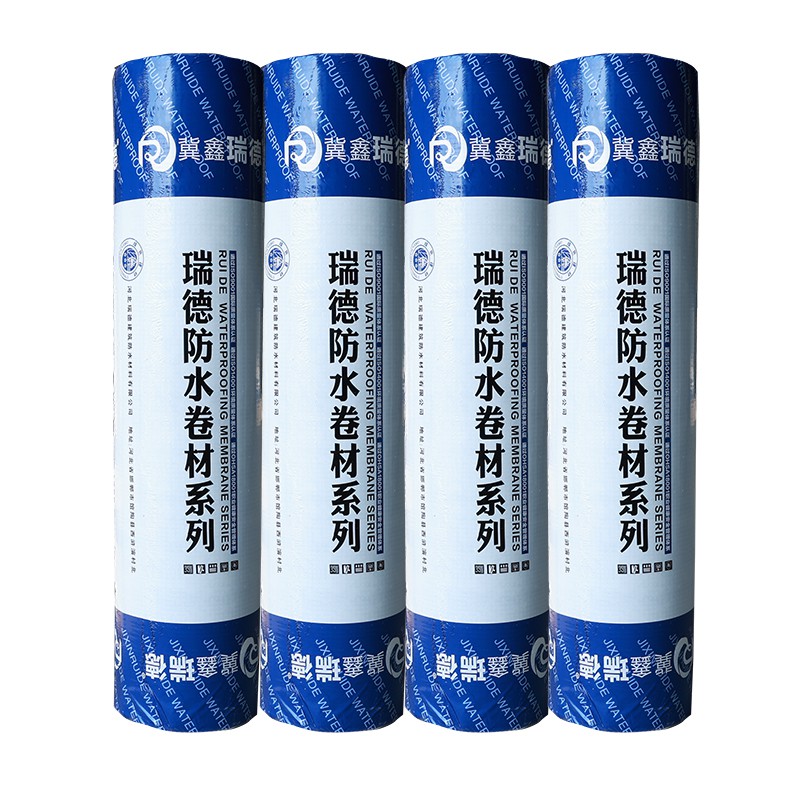
Our Hebei Ruide Root - Proof Waterproof Membrane stands out in terms of its balanced performance, including excellent electrical insulation, root penetration resistance, and waterproofing capabilities.
Conclusion
The electrical insulation performance of Root Proof Membrane is an important consideration in many applications, especially those involving electrical systems. Our Root Proof Membrane offers reliable electrical insulation due to its high - quality materials, proper thickness and density, and resistance to environmental factors. Whether you're working on a green roof, basement waterproofing, or solar panel installation, our product can provide the protection you need.
If you're interested in learning more about our Root Proof Membrane or have any questions regarding its electrical insulation performance, we encourage you to contact us for a detailed discussion. We're always ready to assist you in finding the right solution for your project.
References
- "Polymer Science and Engineering" by Donald R. Paul and Charles B. Bucknall
- "Waterproofing and Damp - Proofing" by Peter R. M. Day
- Industry standards and guidelines for Root Proof Membrane and electrical insulation materials.


