


Is waterproof paint durable?
As a supplier of waterproof paint, I've encountered numerous inquiries from clients regarding the durability of waterproof paint. This is a crucial question, as the durability of waterproof paint directly impacts its long - term performance and cost - effectiveness. In this blog, I'll delve into the factors that affect the durability of waterproof paint and provide some insights based on our experience in the industry.
Factors Affecting the Durability of Waterproof Paint
1. Quality of Raw Materials
The durability of waterproof paint largely depends on the quality of its raw materials. High - quality resins, pigments, and additives are essential for creating a paint that can withstand various environmental challenges. For instance, paints made with premium resins are more likely to have better adhesion, flexibility, and resistance to water penetration. At our company, we source the finest raw materials to ensure the superior quality of our products. Our PU Roof Coat is formulated with high - grade polyurethane resin, which provides excellent waterproofing and long - lasting protection for roofs.

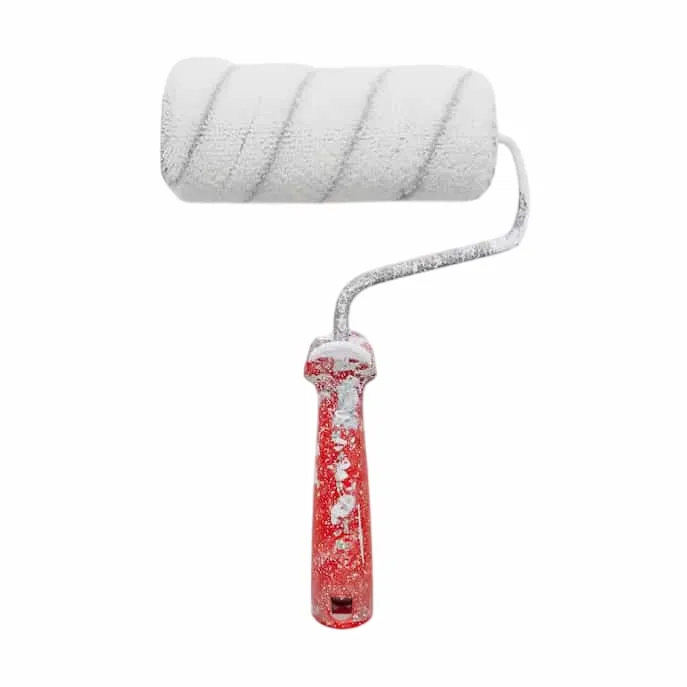
2. Application Conditions
Proper application is key to the durability of waterproof paint. The surface to be painted must be clean, dry, and free of any contaminants such as dust, grease, or loose particles. In addition, the application temperature and humidity should be within the recommended range. If the paint is applied in extreme weather conditions, such as high humidity or low temperatures, it may not dry properly, which can lead to poor adhesion and reduced durability. Our technical team always provides detailed application guidelines to our clients to ensure the best results. For example, our Best Waterproof Exterior Paint should be applied when the temperature is between 10°C and 35°C and the relative humidity is below 80%.
3. Environmental Factors
The environment in which the waterproof paint is used also plays a significant role in its durability. Paints exposed to harsh weather conditions, such as heavy rain, strong sunlight, high winds, and extreme temperatures, will face more challenges. Ultraviolet (UV) rays from the sun can cause the paint to fade, crack, and lose its waterproofing properties over time. In coastal areas, the salt in the air can corrode the paint. To address these issues, we have developed paints with enhanced UV resistance and anti - corrosion properties. Our Elastomeric Waterproofing Membrane is designed to withstand extreme weather conditions and has excellent UV protection.
4. Thickness of Application
The thickness of the waterproof paint layer is another important factor. A thicker layer of paint generally provides better protection and longer durability. However, it's important to apply the paint evenly to avoid issues such as sagging or uneven drying. Our products come with recommended application thicknesses, and we encourage our clients to follow these guidelines for optimal performance.
Testing the Durability of Waterproof Paint
To ensure the durability of our waterproof paints, we conduct a series of rigorous tests. These tests simulate different environmental conditions and usage scenarios.
1. Water Resistance Test
We immerse painted samples in water for an extended period to evaluate their water - proofing ability. The samples are regularly inspected for signs of water penetration, such as blistering, peeling, or discoloration.
2. UV Resistance Test
Using specialized equipment, we expose the painted samples to UV light for a certain period. This test helps us determine how well the paint can resist UV damage and maintain its appearance and performance over time.
3. Abrasion Resistance Test
We use abrasive materials to rub the painted surface to assess its resistance to wear and tear. This is particularly important for areas that are likely to be in contact with objects or subject to foot traffic.
Case Studies: Real - World Durability
We have numerous case studies that demonstrate the long - term durability of our waterproof paints. For example, a commercial building in a coastal area used our Elastomeric Waterproofing Membrane on its roof. After five years of exposure to salt air, strong winds, and heavy rain, the roof remained waterproof, and the paint showed only minimal signs of wear.
Another example is a residential exterior wall painted with our Best Waterproof Exterior Paint. Despite being exposed to direct sunlight and seasonal temperature variations, the paint maintained its color and waterproofing performance for over three years.
Conclusion
In conclusion, waterproof paint can be highly durable if it is made from high - quality raw materials, applied correctly, and used in suitable environmental conditions. At our company, we are committed to providing durable waterproof paint solutions that meet the diverse needs of our clients. Our products are backed by extensive research, testing, and real - world case studies.
If you are interested in our waterproof paint products and would like to discuss your specific requirements, we invite you to reach out to us for a procurement consultation. Our team of experts is ready to assist you in finding the best waterproofing solution for your project.
References
- ASTM International. (2023). Standard test methods for waterproofing materials.
- National Paint & Coatings Association. (2022). Guidelines for the application and performance of waterproof paints.


