


Hey there! As a supplier of waterproof paint, I often get asked if waterproof paint can be used on a balcony. Well, the short answer is yes, but there's a lot more to it than just slapping some paint on. In this blog, I'll dive deep into the ins and outs of using waterproof paint on balconies, including what to consider, the types of waterproof paint available, and how to ensure a successful application.
Why Waterproof Your Balcony?
First off, let's talk about why waterproofing your balcony is so important. Balconies are exposed to the elements 24/7, which means they're constantly at risk of water damage. Rain, snow, and even humidity can seep into the concrete or wood, causing cracks, mold, and structural issues over time. Waterproof paint acts as a barrier, preventing water from penetrating the surface and protecting your balcony from the inside out.
Not only does waterproofing protect your balcony's structure, but it also enhances its aesthetic appeal. A fresh coat of waterproof paint can give your balcony a new lease on life, making it look clean, modern, and inviting. Plus, it can increase the value of your property, making it a smart investment in the long run.
What to Consider Before Using Waterproof Paint on Your Balcony
Before you start painting, there are a few things you need to consider to ensure a successful application. Here are some key factors to keep in mind:
Surface Condition
The condition of your balcony's surface is crucial when it comes to applying waterproof paint. If the surface is cracked, chipped, or uneven, the paint won't adhere properly, and you'll end up with a patchy, ineffective finish. Before painting, make sure to clean the surface thoroughly, removing any dirt, debris, or loose paint. You may also need to repair any cracks or damage using a suitable filler or patching compound.
Climate
The climate in your area plays a significant role in determining the type of waterproof paint you should use. If you live in a region with extreme temperatures, high humidity, or heavy rainfall, you'll need a paint that can withstand these conditions. Look for a paint that has a high UV resistance, is flexible enough to expand and contract with the changing temperatures, and has excellent water repellency.
Traffic
How often your balcony is used and the type of traffic it receives are also important considerations. If your balcony is a high-traffic area, such as a party deck or a play area for kids, you'll need a paint that is durable and can withstand wear and tear. Look for a paint that has a high abrasion resistance and is easy to clean.
Types of Waterproof Paint for Balconies
There are several types of waterproof paint available on the market, each with its own unique properties and benefits. Here are some of the most common types of waterproof paint for balconies:
Paint On Waterproof Membrane
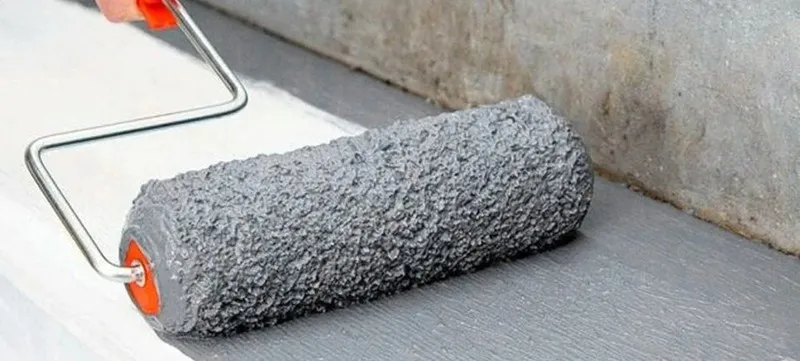
Paint on waterproof membranes are a popular choice for balconies because they provide a seamless, waterproof barrier that is easy to apply. These membranes are typically made of a rubberized or acrylic material and can be applied directly to the surface using a brush, roller, or spray gun. They are flexible, durable, and can withstand a wide range of temperatures and weather conditions.

Elastomeric Paint Waterproofing
Elastomeric paint is another excellent option for balconies. This type of paint is made of a stretchy, rubber-like material that can expand and contract with the changing temperatures, preventing cracks and leaks. Elastomeric paint is also highly resistant to UV rays, making it ideal for balconies that are exposed to direct sunlight. It can be applied using a brush, roller, or spray gun and provides a long-lasting, waterproof finish.
Cementitious Waterproofing Coating
Cementitious waterproofing coatings are a cost-effective option for balconies. These coatings are made of a cement-based material that is mixed with water and applied to the surface using a trowel or brush. Cementitious coatings are highly durable and can withstand heavy traffic and harsh weather conditions. They are also resistant to chemicals and abrasion, making them ideal for balconies that are exposed to chemicals or heavy use.
How to Apply Waterproof Paint on Your Balcony
Once you've chosen the right type of waterproof paint for your balcony, it's time to start painting. Here are the general steps to follow for a successful application:
Step 1: Prepare the Surface
As mentioned earlier, the surface of your balcony needs to be clean, dry, and free of any dirt, debris, or loose paint. Use a pressure washer or a stiff brush to clean the surface thoroughly, and then let it dry completely. If there are any cracks or damage, repair them using a suitable filler or patching compound.
Step 2: Prime the Surface
Applying a primer is an important step in the painting process, as it helps the paint adhere better to the surface and provides an extra layer of protection. Choose a primer that is compatible with the type of waterproof paint you're using and apply it according to the manufacturer's instructions. Let the primer dry completely before moving on to the next step.
Step 3: Apply the Waterproof Paint
Using a brush, roller, or spray gun, apply the waterproof paint to the surface in thin, even coats. Make sure to follow the manufacturer's instructions regarding the number of coats and the drying time between each coat. It's important to apply the paint evenly to avoid any drips or runs.
Step 4: Let the Paint Dry
After applying the final coat of paint, let it dry completely according to the manufacturer's instructions. This may take anywhere from a few hours to a few days, depending on the type of paint and the weather conditions. Avoid walking on the painted surface or exposing it to water until it is fully dry.
Tips for a Successful Application
Here are some additional tips to help you achieve a successful application of waterproof paint on your balcony:
- Choose the right time of year: The best time to paint your balcony is during the dry season when the weather is mild and there is less humidity. Avoid painting in extreme temperatures or during heavy rainfall.
- Use the right tools: Make sure to use high-quality brushes, rollers, or spray guns that are suitable for the type of paint you're using. Using the right tools will help you achieve a smooth, even finish.
- Follow the manufacturer's instructions: Always read and follow the manufacturer's instructions carefully when applying waterproof paint. This includes the recommended number of coats, the drying time between each coat, and any special instructions or precautions.
- Test the paint: Before applying the paint to the entire balcony, test it on a small, inconspicuous area to make sure it adheres properly and provides the desired finish.
- Maintain the painted surface: Once the paint is dry, it's important to maintain the painted surface to ensure its longevity. This includes cleaning the surface regularly, avoiding abrasive cleaners or tools, and reapplying the paint as needed.
Conclusion
In conclusion, waterproof paint can definitely be used on a balcony, and it's a great way to protect your balcony from water damage and enhance its aesthetic appeal. By considering the surface condition, climate, and traffic of your balcony, choosing the right type of waterproof paint, and following the proper application techniques, you can achieve a successful and long-lasting waterproofing job.
If you're interested in purchasing waterproof paint for your balcony or have any questions about our products, please don't hesitate to contact us. We'd be happy to help you find the right solution for your needs and provide you with expert advice and support.
References
- Waterproofing 101: A Guide to Protecting Your Home. (n.d.). Retrieved from https://www.homedepot.com/c/ab/waterproofing-101-a-guide-to-protecting-your-home/9ba683603be9fa5395fab909d8a99224
- The Ultimate Guide to Balcony Waterproofing. (n.d.). Retrieved from https://www.bobvila.com/articles/balcony-waterproofing/
- How to Waterproof a Balcony. (n.d.). Retrieved from https://www.thisoldhouse.com/painting/21017583/how-to-waterproof-a-balcony


