


Hey there! As a supplier of roof bitumen membranes, I've seen firsthand how these materials change over time. In this blog, I'll share what I've learned about how roof bitumen membranes age and what you can do to extend their lifespan.
What is Roof Bitumen Membrane?
Before we dive into the aging process, let's quickly go over what roof bitumen membranes are. These are basically sheets made from bitumen, a sticky, black, and highly viscous liquid or semi - solid form of petroleum. Bitumen membranes are commonly used for waterproofing roofs because they're flexible, durable, and can withstand a fair amount of wear and tear.
There are different types of bitumen membranes out there. For example, SBS Waterproofing membranes are modified with Styrene - Butadiene - Styrene (SBS) polymers. This modification makes the membranes more flexible, especially in cold temperatures, and gives them better resistance to cracking. Then, there's the Self - adhesive Polymer Modified Bitumen Waterproof Membrane. As the name suggests, these membranes are self - adhesive, which makes installation a whole lot easier. And of course, we have Flat Roof Bitumen Membrane, which are specifically designed for flat or low - slope roofs.
The Aging Process
Oxidation
One of the main factors that cause roof bitumen membranes to age is oxidation. When bitumen is exposed to air, the oxygen in the air reacts with the bitumen molecules. This chemical reaction causes the bitumen to harden and become brittle over time. You can think of it like an apple that turns brown and gets dry when it's left out in the open.
As the membrane hardens, it loses its flexibility. This means it can't stretch and move with the normal expansion and contraction of the roof due to temperature changes. As a result, cracks start to form. These cracks are a big problem because they allow water to seep through, which can lead to leaks and water damage inside the building.
UV Exposure
Sunlight, specifically ultraviolet (UV) rays, also play a huge role in the aging of bitumen membranes. UV rays have a lot of energy, and when they hit the bitumen membrane, they break down the chemical bonds in the bitumen. This causes the membrane to become more brittle and less elastic.
You might notice that the color of the membrane changes over time. It can go from a dark black or brown to a lighter, more faded color. This color change is a sign that the UV rays are doing their damage. And just like with oxidation, the brittleness caused by UV exposure makes the membrane more prone to cracking.
Temperature Fluctuations
Roofs are exposed to all sorts of temperatures, from scorching hot summers to freezing cold winters. These temperature fluctuations can take a toll on bitumen membranes. When it's hot, the membrane expands, and when it's cold, it contracts. Over time, this repeated expansion and contraction can cause stress on the membrane.
If the membrane is already weakened by oxidation or UV exposure, these temperature - related stresses can cause cracks to form more easily. In extreme cases, large sections of the membrane can start to delaminate, which means they separate from the roof surface.
Chemical Exposure
Bitumen membranes can also be affected by exposure to chemicals. For example, if there are pollutants in the air, such as sulfur dioxide or nitrogen oxides, they can react with the bitumen. Some cleaning agents or chemicals used on the roof for maintenance can also damage the membrane.
If a building is located near an industrial area where there's a lot of chemical pollution, the bitumen membrane may age faster compared to a building in a cleaner environment.
Signs of an Aged Roof Bitumen Membrane
Cracking
As I mentioned earlier, cracking is one of the most obvious signs of an aged bitumen membrane. These cracks can be small hairline cracks at first, but they can grow larger over time. You might be able to see these cracks from the ground if they're on a low - sloped roof, or you can spot them during a roof inspection.
Blistering
Blisters on the membrane are another sign of aging. Blisters are formed when moisture gets trapped between the membrane and the roof surface. This can happen due to poor installation or because the membrane has become porous over time. When the trapped moisture heats up, it expands and forms blisters.
Delamination
Delamination occurs when the bitumen membrane starts to separate from the roof surface. You can usually tell if delamination is happening if you see sections of the membrane that are loose or bubbling up. This is a serious issue because it compromises the waterproofing ability of the membrane.
Extending the Lifespan of Roof Bitumen Membranes
Regular Inspections
One of the best ways to extend the lifespan of your roof bitumen membrane is to have regular inspections. A professional roofer can check for signs of aging, such as cracks, blisters, or delamination, and address them before they become major problems. Inspections should be done at least once a year, preferably in the spring or fall.
Cleaning
Keeping the roof clean is also important. Debris like leaves, branches, and dirt can accumulate on the roof and hold moisture against the membrane. This can speed up the aging process. You can use a gentle cleaning solution and a soft brush to clean the membrane, but make sure to choose a cleaning product that's safe for bitumen.
Coating
Applying a protective coating to the bitumen membrane can help slow down the aging process. There are different types of coatings available, such as acrylic or silicone coatings. These coatings can reflect UV rays, protect the membrane from oxidation, and provide an extra layer of waterproofing.
Why Choose Our Roof Bitumen Membranes?
We take pride in providing high - quality roof bitumen membranes. Our membranes are made with the latest technology and high - grade materials, which means they have better resistance to oxidation, UV exposure, and temperature fluctuations compared to some other products on the market.
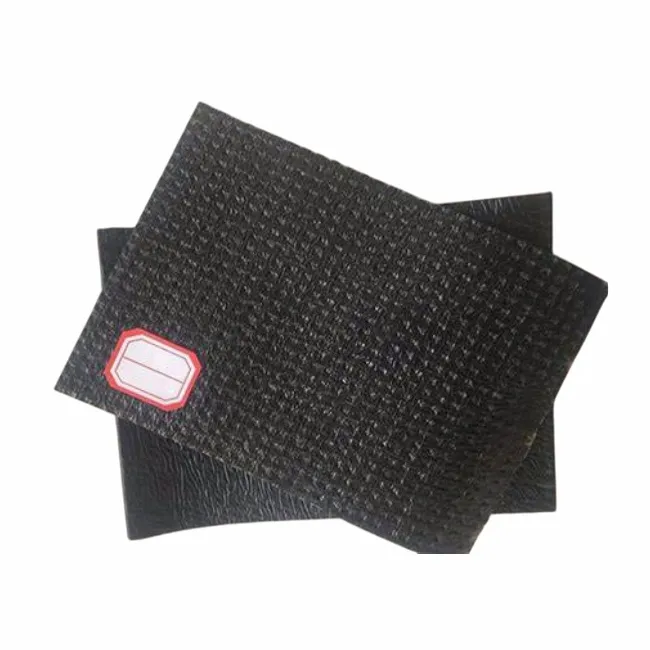

We also offer a wide range of bitumen membranes to suit different roofing needs. Whether you need an SBS - modified membrane for a cold climate or a self - adhesive membrane for easy installation, we've got you covered.
Time to Take Action
If you're in the market for a new roof bitumen membrane or need to replace an aging one, don't hesitate to get in touch. We're here to help you choose the right product for your roof and answer any questions you might have. Whether it's for a residential or commercial building, we can provide you with a solution that will keep your roof waterproof and protected for years to come.
References
- ASTM International. (Year). Standard test methods for bituminous roofing and waterproofing materials.
- National Roofing Contractors Association. (Year). Roofing and waterproofing best practices guide.
So, what are you waiting for? Let's start a conversation about your roofing needs and find the perfect bitumen membrane for you.


