


What is the color stability of a waterproof membrane?
As a supplier of waterproof membranes, I've often been asked about the color stability of these essential building materials. Color stability isn't just about aesthetics; it's also an indicator of the membrane's overall quality and durability. In this blog, I'll delve into what color stability means for waterproof membranes, the factors that affect it, and why it matters in real - world applications.
Understanding Color Stability
Color stability refers to a material's ability to maintain its original color over time, even when exposed to various environmental factors. For waterproof membranes, this means that the color should remain consistent despite long - term exposure to sunlight, temperature fluctuations, moisture, and chemicals. A membrane with good color stability will not fade, discolor, or develop spots, ensuring that it looks good and retains its integrity for the intended lifespan of the installation.
Factors Affecting Color Stability
1. UV Radiation
Ultraviolet (UV) radiation from the sun is one of the most significant factors that can affect the color stability of a waterproof membrane. UV rays can break down the chemical bonds in the membrane's pigments and polymers, causing them to fade or change color. Over time, this can lead to a dull, washed - out appearance. For example, a membrane that was originally a bright white may turn yellowish or grayish after prolonged UV exposure. To combat this, many waterproof membranes are treated with UV stabilizers. These additives absorb or reflect UV radiation, protecting the membrane's color and structure.
2. Temperature
Extreme temperatures, both hot and cold, can also impact color stability. High temperatures can cause the membrane to expand and contract, which may lead to cracking or peeling of the pigment layer. Cold temperatures, on the other hand, can make the membrane brittle, increasing the risk of damage that can affect its color. For instance, in regions with large temperature variations between day and night, the membrane may experience more stress, potentially accelerating color change.
3. Chemical Exposure
Waterproof membranes may come into contact with various chemicals, such as cleaning agents, industrial pollutants, or acidic rain. These chemicals can react with the membrane's pigments and polymers, causing discoloration. For example, exposure to acidic substances can corrode the surface of the membrane, leading to a change in color. Membranes that are designed for use in industrial or coastal areas need to be more resistant to chemical exposure to maintain their color stability.
4. Moisture
While waterproof membranes are designed to repel water, excessive moisture can still have an impact on their color. Prolonged exposure to water can cause the membrane to swell or develop mold and mildew, which can stain the surface and change its color. In addition, if the membrane is not properly installed or sealed, water may seep under the membrane, leading to discoloration and potential damage.
Importance of Color Stability
1. Aesthetics
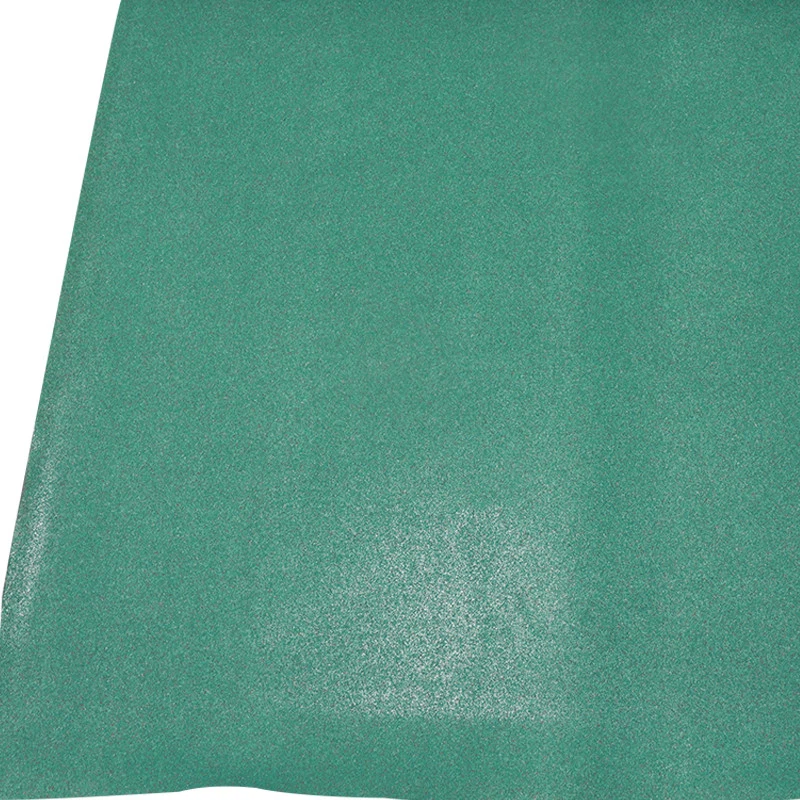
One of the most obvious reasons for color stability is aesthetics. A building's exterior or roof is often one of its most visible features, and a waterproof membrane that maintains its color can enhance the overall appearance of the structure. Whether it's a commercial building with a modern, sleek look or a residential home with a traditional style, a membrane with consistent color adds to the curb appeal. For example, a flat roof with a Flat Roof Bitumen Membrane that retains its color can give the building a well - maintained and professional appearance.
2. Quality Indicator
Color stability can also be an indicator of the overall quality of the waterproof membrane. A membrane that resists color change is likely to be more durable and better able to withstand environmental stresses. This means that it will have a longer lifespan and require less maintenance over time. When customers see that a membrane has good color stability, they can have more confidence in its performance and reliability.
3. Energy Efficiency
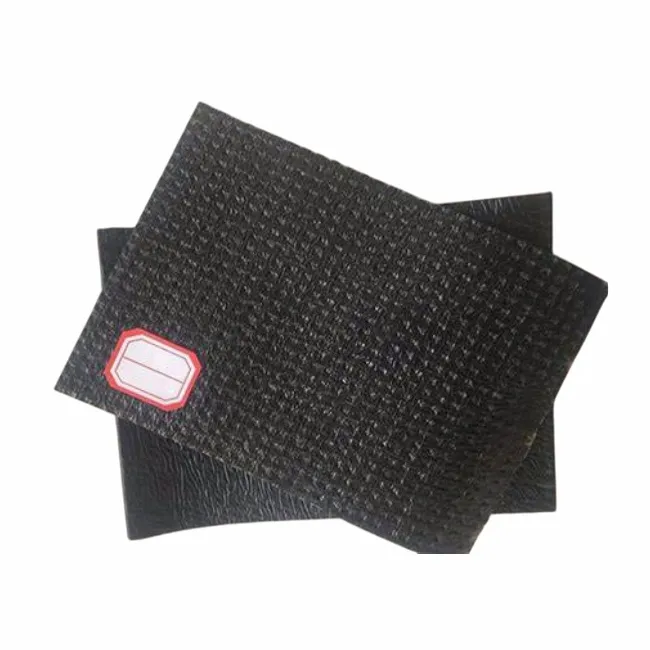
In some cases, the color of a waterproof membrane can affect the energy efficiency of a building. Light - colored membranes reflect more sunlight and heat, reducing the amount of heat absorbed by the building. This can lead to lower cooling costs in hot climates. However, if the membrane's color fades or changes, its ability to reflect sunlight may be reduced, decreasing its energy - saving potential. For example, a High Molecular Polyethylene Polypropylene Root Puncture Resistant Waterproof Membrane with good color stability can continue to provide energy - efficient performance over its lifespan.
Our Solutions for Color Stability
As a waterproof membrane supplier, we are committed to providing products with excellent color stability. We use high - quality pigments and polymers in our manufacturing process, which are more resistant to fading and discoloration. Our membranes are also treated with advanced UV stabilizers and other additives to protect them from environmental factors.
We offer a range of waterproof membranes, including Flat Roof Bitumen Membrane, High Molecular Polyethylene Polypropylene Root Puncture Resistant Waterproof Membrane, and Hdpe Self Adhesive Waterproof Membrane. Each of these products is designed to meet the specific needs of different applications, while maintaining excellent color stability.
Contact Us for Purchase and Consultation
If you're in the market for a waterproof membrane with superior color stability, we'd love to hear from you. Whether you're a contractor working on a large - scale commercial project or a homeowner looking to protect your property, our team of experts can provide you with the right product and advice. We can help you choose the most suitable membrane for your specific requirements and ensure that you get the best value for your investment. Contact us today to start the conversation about your waterproofing needs.
References
- ASTM International. "Standard Test Methods for Evaluating the Color and Appearance of Plastics." ASTM D2244 - 16.
- European Technical Approvals Organisation (ETA). "Guidelines for the Assessment of Waterproofing Membranes." ETA - 02/0011.
- Building Research Establishment (BRE). "Durability of Building Materials and Components." BRE Digest 409.


