


Hey there! As a supplier of flat roof bitumen membranes, I often get asked whether these membranes come in different colors. Today, I'm gonna break down this topic and share all the info you need.
Let's start by understanding what flat roof bitumen membranes are. They're essential for waterproofing flat roofs, providing a reliable barrier against water and harsh weather conditions. Bitumen, a viscous black substance derived from petroleum, is the primary material. It's known for its durability and water - resistant properties, which make it a top choice for construction projects.
Now, to answer the big question: do flat roof bitumen membranes come in different colors? The short answer is yes, but it's a bit more complex than that.
By default, bitumen is black. It's the natural color of the raw material, and most traditional flat roof bitumen membranes are black. This is mainly because black bitumen has excellent heat - absorbing properties. In colder climates, it can help warm up the roof, which is beneficial for the building's overall insulation and energy efficiency.
However, as the construction industry has evolved, there's been an increasing demand for bitumen membranes in different colors. Why? Well, for aesthetics, first of all. Buildings have become more architectural and visually appealing, and a black roof might not always fit the design scheme. Some commercial buildings, residential complexes, or historical restorations require a more color - coordinated roof.
Manufacturers have responded to this demand by developing techniques to produce colored bitumen membranes. These colored membranes are created by adding pigments to the bitumen mixture. But it's important to note that not all colors are available, and the range is often not as extensive as you'd find with other roofing materials like tiles or metal.
Typical colors you might find in the market include grey, brown, and green. Grey is a popular choice as it offers a neutral look that can blend in well with various building designs. Brown is great for a more earthy and natural appearance, which can be perfect for buildings in a forested or rural setting. Green, on the other hand, is often chosen for its eco - friendly connotations and can be used in green roof systems where vegetation is involved.
The process of making colored bitumen membranes isn't as easy as just adding some paint. The pigments need to be carefully selected to ensure they don't affect the membrane's performance. Bitumen membranes need to be flexible, durable, and resistant to UV rays, oxidation, and temperature changes. The wrong type of pigment could compromise these properties. That's why manufacturers spend a lot of time and resources on research and development to create colored membranes that meet the same high - performance standards as the traditional black ones.
When it comes to the pros and cons of colored bitumen membranes, let's start with the pros.
- As mentioned earlier, the biggest advantage is aesthetics. They allow for more design flexibility, which can enhance the overall look of a building.
- Some colored membranes, especially lighter colors, can reflect sunlight better than black ones. This can reduce the heat absorption on the roof, leading to lower energy costs for cooling the building during hot summers.
But there are also some cons.
- Colored bitumen membranes are generally more expensive than black ones. The cost of the pigments and the additional manufacturing processes add to the overall price.
- There might be some concerns about the long - term colorfastness. Over time, exposure to sunlight, rain, and other environmental factors could cause the color to fade.
If you're considering a colored flat roof bitumen membrane for your project, here are some things to keep in mind. First, make sure to choose a reputable supplier. A good supplier will have high - quality membranes with colors that are tested and proven to last. You can also ask for samples to see the colors in person and evaluate their appearance under different lighting conditions.
Another important factor is to understand the installation requirements. Colored bitumen membranes might have slightly different installation procedures compared to black ones. It's crucial to follow the manufacturer's instructions carefully to ensure a proper and long - lasting installation.
Now, let me introduce you to some of our other products as well. We offer the Non - asphalt - based Polymer Self - adhesive Waterproof Membrane(HDPE). This membrane is a great alternative to traditional bitumen membranes. It's made from high - density polyethylene and has excellent self - adhesive properties, providing a quick and easy installation process.

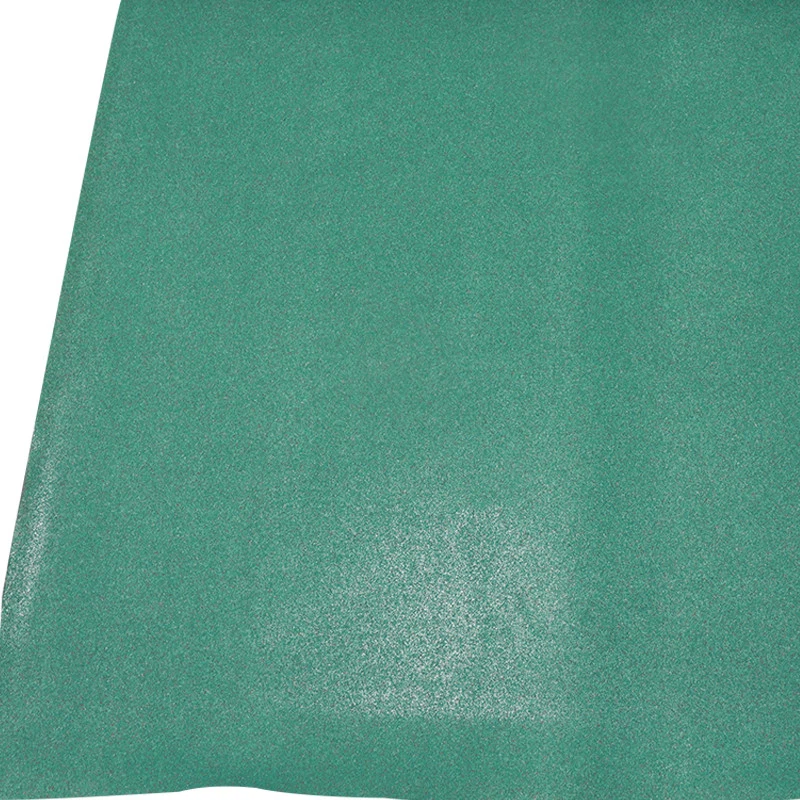
We also have the Hebei Ruide Polymer EPDM Rubber Waterproof Membrane. EPDM (Ethylene Propylene Diene Monomer) is a synthetic rubber that's known for its outstanding durability and resistance to weather, ozone, and UV rays. This membrane is ideal for flat roofs in areas with harsh weather conditions.
And if you're still interested in bitumen - based products, we have Modified Bituminous Sheet Waterproofing. These sheets are an upgraded version of traditional bitumen membranes, with improved performance and flexibility.
Whether you're interested in colored flat roof bitumen membranes or any of our other waterproofing products, we're here to help. Our team of experts can provide you with all the information you need, assist with technical questions, and guide you through the selection process.
If you're planning a roofing project and need to purchase high - quality waterproofing membranes, feel free to reach out and start a conversation with us. We're eager to discuss your specific requirements and find the best solution for your project.
References
- "Roofing Materials and Their Applications" - A comprehensive guide on different roofing materials available in the market.
- "Advances in Waterproofing Technology" - A research paper highlighting the latest developments in waterproofing membranes.
- Manufacturer's specifications for flat roof bitumen membranes, which detail their properties, colors, and installation requirements.


