


When it comes to waterproofing projects, one common question that often arises is whether it's possible to paint on a waterproof membrane after it has been exposed to water. As a leading supplier of paint designed for application on waterproof membranes, I've encountered this query numerous times from contractors, DIY enthusiasts, and building owners alike. In this blog post, I'll delve into the technical aspects, potential challenges, and best practices associated with painting on a water - exposed waterproof membrane.
Understanding Waterproof Membranes
Before we address the main question, it's essential to understand what waterproof membranes are and how they work. Waterproof membranes are materials applied to surfaces to prevent water penetration. They come in various forms, such as sheet membranes, liquid - applied membranes, and bituminous membranes. These membranes create a barrier that stops water from seeping through, protecting the underlying structure from water damage, mold growth, and other moisture - related issues.
The Impact of Water Exposure on Waterproof Membranes
When a waterproof membrane is exposed to water, several things can happen. Firstly, the membrane may absorb some water, which can lead to swelling or softening. This can affect its adhesion to the substrate and its overall integrity. Secondly, water can carry contaminants such as dirt, debris, and chemicals, which can adhere to the membrane surface. These contaminants can interfere with the bonding between the paint and the membrane.
In some cases, prolonged water exposure can cause the membrane to degrade over time. For example, UV radiation in sunlight, combined with water, can break down the polymers in some types of membranes, reducing their waterproofing capabilities.
Can You Paint on a Water - Exposed Waterproof Membrane?
The short answer is: it depends. In some situations, it is possible to paint on a waterproof membrane after water exposure, but it requires careful preparation and the right type of paint.

Surface Preparation
The key to successful painting on a water - exposed waterproof membrane is proper surface preparation. First, the membrane must be thoroughly cleaned. This involves removing any dirt, debris, algae, or other contaminants. A pressure washer can be an effective tool for this, but care must be taken not to damage the membrane. After cleaning, the membrane should be allowed to dry completely. The drying time can vary depending on factors such as temperature, humidity, and the type of membrane. In general, it's best to wait at least 24 - 48 hours.
Compatibility of Paint and Membrane
Not all paints are suitable for use on waterproof membranes. The paint must be compatible with the type of membrane. For example, some membranes are made of rubber - based materials, while others are asphalt - based. The paint should be formulated to bond well with the specific membrane material. As a supplier, I recommend using high - quality paints that are specifically designed for application on waterproof membranes. For instance, our Ruide Brand High - Adhesion Anti - Slip Polymer - Modified Asphalt Waterproof Coating is a great option for asphalt - based membranes. It offers excellent adhesion and durability, even in challenging conditions.
Testing
Before applying the paint to the entire surface, it's advisable to conduct a small test patch. This allows you to assess the adhesion of the paint to the membrane and to check for any adverse reactions. Apply the paint to a small, inconspicuous area of the membrane and let it dry according to the manufacturer's instructions. After drying, check for any signs of peeling, cracking, or discoloration.
Advantages of Painting on a Waterproof Membrane
Even though there are challenges, painting on a waterproof membrane can offer several benefits.
Enhanced Aesthetics
A fresh coat of paint can improve the appearance of the waterproof membrane, especially on exposed surfaces such as rooftops or balconies. It can give the structure a more professional and finished look.
Additional Protection
The right paint can provide an extra layer of protection to the waterproof membrane. For example, Water Repellent Paint for Walls can help to further repel water and protect the membrane from UV radiation, extending its lifespan.
Anti - Slip Properties
Some paints, like our Ruide Brand coating mentioned earlier, have anti - slip properties. This can be crucial in areas where there is a risk of slipping, such as pool decks or walkways.
Best Practices for Painting on a Waterproof Membrane
Choose the Right Paint
As mentioned earlier, selecting the right paint is crucial. Consider factors such as the type of membrane, the environmental conditions, and the desired finish. Our Best Waterproof Exterior Paint is formulated to withstand harsh weather conditions and provide long - lasting protection.
Follow the Manufacturer's Instructions
Each paint product comes with specific instructions regarding application, drying time, and safety precautions. It's important to follow these instructions carefully to ensure the best results.
Use the Right Tools
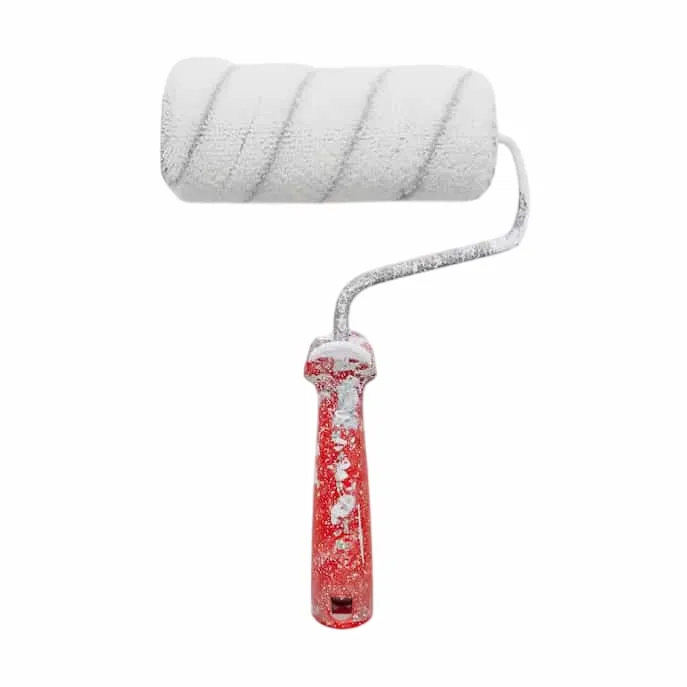
Using the appropriate tools for painting, such as brushes, rollers, or sprayers, can make a significant difference in the quality of the finish. Make sure the tools are clean and in good condition before use.
Conclusion
In conclusion, painting on a waterproof membrane after water exposure is possible, but it requires careful consideration and proper preparation. By ensuring thorough surface cleaning, using compatible paint, and following best practices, you can achieve a successful paint job that enhances the appearance and protection of the waterproof membrane.
If you're involved in a waterproofing project and need high - quality paint for your waterproof membrane, we're here to help. Our range of products is designed to meet the diverse needs of different projects. Whether you're a professional contractor or a DIY enthusiast, we can provide you with the right solutions. Contact us to discuss your requirements and start a procurement negotiation. We look forward to working with you to achieve your waterproofing goals.
References
- ASTM International. (Year). Standard practices for waterproofing membrane applications.
- Paint and Coatings Industry Association. (Year). Guidelines for painting on waterproof surfaces.
- Manufacturer's product data sheets for waterproof membranes and paints.


