


Can bitumen coating waterproofing be used on balconies? Well, let's dive right into this topic. I'm a supplier of Bitumen Coating Waterproofing, and I've seen my fair share of waterproofing projects, including balcony jobs.
First off, let's talk about what bitumen coating waterproofing is. Bitumen, also known as asphalt, is a sticky, black, and highly viscous liquid or semi - solid form of petroleum. When it's used in a coating for waterproofing, it creates a tough, durable barrier against water.
Balconies are exposed to all sorts of weather conditions. Rain, snow, and even just the humidity in the air can cause problems if the balcony isn't properly waterproofed. Water can seep into the concrete or other building materials of the balcony, leading to cracks, mold growth, and structural damage over time. That's where bitumen coating waterproofing comes in.
One of the big advantages of using bitumen coating on balconies is its excellent waterproofing properties. It forms a seamless membrane that prevents water from penetrating the surface. Whether it's a light drizzle or a heavy downpour, the bitumen coating can keep the water out.
Another plus is its durability. Bitumen coatings are resistant to UV rays, which is important since balconies are often in direct sunlight. UV rays can break down many materials over time, but bitumen coatings hold up well. They can also withstand temperature changes. In hot summers and cold winters, the coating won't crack or peel easily, maintaining its waterproofing integrity.
Now, let's talk about the application process. Applying bitumen coating on a balcony is relatively straightforward. First, the surface of the balcony needs to be cleaned thoroughly. Any dirt, debris, or loose materials should be removed. Then, a primer can be applied to help the bitumen coating adhere better to the surface. After the primer has dried, the bitumen coating can be rolled or brushed on in multiple layers. Each layer should be allowed to dry before applying the next one.
However, there are also some considerations when using bitumen coating on balconies. One is the odor. Bitumen coatings can have a strong smell, especially during the application process. This can be a bit of a nuisance, especially if you live in an apartment building or have neighbors close by. It's a good idea to apply the coating on a day when the weather is good and there's plenty of ventilation.
Another consideration is the appearance. Bitumen coatings are usually black, which might not be the most aesthetically pleasing option for some balconies. If appearance is a major concern, you might want to look into other waterproofing options or consider using a top - coat to change the color.
Let's compare bitumen coating waterproofing with some other waterproofing products. For example, Water Repellent Paint for Walls is another option for balcony waterproofing. Water repellent paints are often easier to apply and can come in a variety of colors. However, they might not be as durable as bitumen coatings, especially in areas with heavy water exposure.
Waterproofing Roof Paint is also a popular choice. It's designed to withstand the elements on rooftops, so it can be a good option for balconies as well. But again, bitumen coatings have the advantage of being more flexible and better at forming a seamless barrier.
Liquid Applied Waterproofing Membrane is similar to bitumen coating in that it's applied in a liquid form. However, the composition of liquid applied membranes can vary, and some might not be as resistant to UV rays or temperature changes as bitumen coatings.
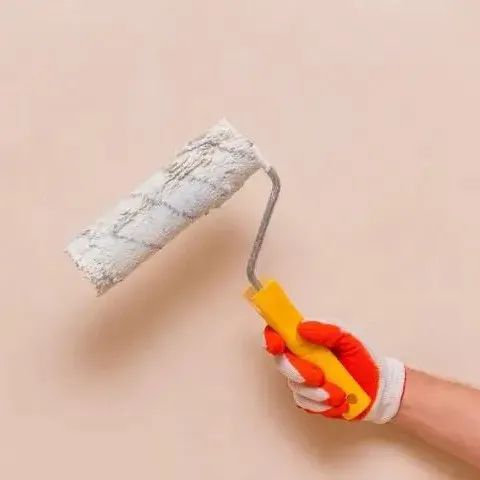

In my experience as a Bitumen Coating Waterproofing supplier, I've seen many successful balcony waterproofing projects using bitumen coatings. For small balconies, a DIY approach can work well, as long as you follow the instructions carefully. For larger or more complex balconies, it might be a good idea to hire a professional contractor.
So, can bitumen coating waterproofing be used on balconies? The answer is yes. It's a reliable and effective option for protecting your balcony from water damage. But like any product, it has its pros and cons, and you need to consider your specific needs and circumstances.
If you're interested in using bitumen coating waterproofing for your balcony or have any questions about our products, feel free to reach out. We're here to help you make the best decision for your waterproofing project. Whether you're a homeowner looking to protect your balcony or a contractor working on a large - scale project, we can provide you with high - quality bitumen coating products and expert advice.
In conclusion, bitumen coating waterproofing is a viable option for balconies. It offers excellent waterproofing, durability, and flexibility. While there are some considerations, with the right application and maintenance, it can keep your balcony dry and in good condition for years to come. So, if you're in the market for a reliable waterproofing solution, give bitumen coating a try.
References
- "Waterproofing Materials and Applications" - A technical guide on various waterproofing products.
- "Balcony Waterproofing Best Practices" - An industry report on effective balcony waterproofing methods.


