


Bitumen coating waterproofing is a widely used solution in the construction and waterproofing industry. As a supplier of Bitumen Coating Waterproofing, I often encounter questions from customers regarding the removal of this type of waterproofing. In this blog post, I will delve into the topic of whether bitumen coating waterproofing can be removed, the methods involved, and the considerations one should keep in mind.
Understanding Bitumen Coating Waterproofing
Bitumen coating waterproofing is a popular choice due to its excellent waterproofing properties, durability, and resistance to environmental factors. It is typically made from bitumen, a viscous, black, and sticky material derived from petroleum. This coating forms a protective barrier on surfaces such as roofs, basements, and foundations, preventing water from seeping through and causing damage.

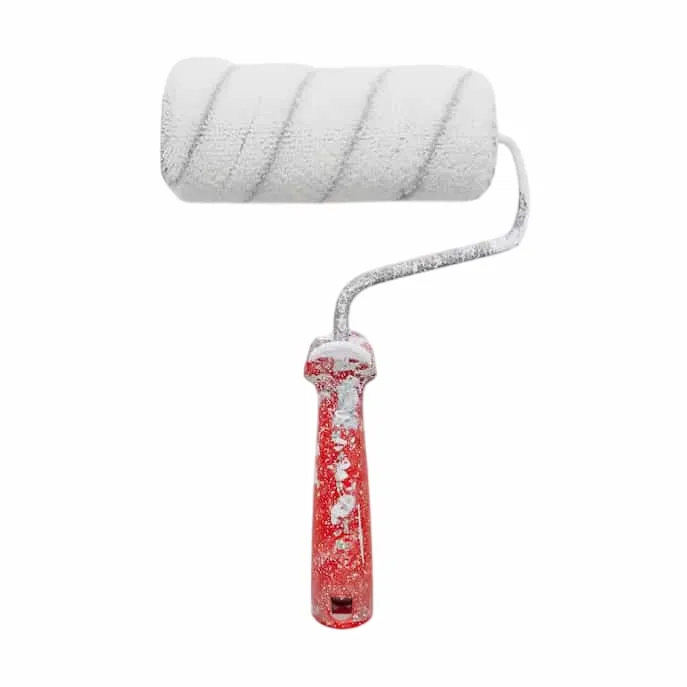
The bitumen coating can be applied in various forms, including liquid, mastic, or sheet membranes. Liquid bitumen coatings are often sprayed or brushed onto the surface, while mastic coatings are applied using a trowel. Sheet membranes are pre - fabricated and can be adhered to the surface.
Reasons for Removing Bitumen Coating Waterproofing
There are several reasons why one might want to remove bitumen coating waterproofing. Firstly, if the coating has reached the end of its lifespan and is no longer providing effective waterproofing, removal may be necessary before applying a new waterproofing system. Secondly, in cases where the surface needs to be repaired or renovated, the bitumen coating may need to be removed to access the underlying structure. Additionally, if there are issues with the adhesion of the bitumen coating or if it has been damaged by external factors such as fire or chemical spills, removal may be the best option.
Can Bitumen Coating Waterproofing Be Removed?
The short answer is yes, bitumen coating waterproofing can be removed. However, the process is not always straightforward and depends on several factors, including the type of bitumen coating, the surface it is applied to, and the age and condition of the coating.
Methods of Removing Bitumen Coating Waterproofing
Mechanical Methods
- Scraping: This is one of the most common mechanical methods of removing bitumen coating. A sharp scraper or putty knife can be used to physically scrape off the bitumen from the surface. This method is suitable for small areas or when the bitumen coating is relatively thin. However, it can be labor - intensive and may not be effective for thick or well - adhered coatings.
- Sanding: Sanding can be used to remove bitumen coating from flat surfaces. A power sander with a coarse grit sandpaper can be used to abrade the bitumen and gradually wear it away. This method is more effective than scraping for thicker coatings but can generate a significant amount of dust, which needs to be properly managed to avoid health risks.
- Grinding: For large areas or thick bitumen coatings, grinding may be a more suitable option. A floor grinder or a similar machine can be used to grind off the bitumen coating. This method is more efficient but can also be noisy and generate a large amount of dust.
Chemical Methods
- Solvents: Chemical solvents can be used to dissolve the bitumen coating. There are various solvents available in the market, such as xylene, toluene, and methylene chloride. These solvents are applied to the bitumen coating and left for a certain period to allow them to penetrate and dissolve the bitumen. Once the bitumen has softened, it can be scraped off. However, solvents are often toxic and flammable, and proper safety precautions need to be taken when using them. Additionally, they can have a negative impact on the environment if not disposed of properly.
- Biodegradable Removers: There are also biodegradable bitumen removers available in the market. These removers are made from natural ingredients and are less harmful to the environment and human health compared to traditional solvents. They work in a similar way to solvents by breaking down the bitumen coating, but they may take longer to achieve the desired results.
Considerations When Removing Bitumen Coating Waterproofing
- Safety: Safety should be the top priority when removing bitumen coating waterproofing. When using mechanical methods, protective gear such as gloves, goggles, and dust masks should be worn to prevent injuries and exposure to dust. When using chemical methods, proper ventilation is essential to avoid inhaling toxic fumes, and all safety instructions provided by the manufacturer should be followed.
- Surface Damage: The removal process can cause damage to the underlying surface. For example, scraping or sanding may scratch or damage the surface, especially if it is a delicate material such as wood or concrete. Care should be taken to minimize surface damage during the removal process.
- Environmental Impact: As mentioned earlier, some of the chemical solvents used for removing bitumen coating can have a negative impact on the environment. Whenever possible, biodegradable removers should be used, and proper disposal methods should be followed for any waste generated during the removal process.
Alternatives to Removal
In some cases, instead of removing the bitumen coating waterproofing, it may be possible to repair or recoat it. For example, if the coating has minor cracks or damage, a sealant can be applied to fill the cracks and restore the waterproofing properties. If the coating is still in relatively good condition but has lost some of its effectiveness, a new layer of bitumen coating or a different type of waterproofing coating, such as Elastomeric Paint Waterproofing, Best Waterproof Exterior Paint, or Water Resistant Paint for Roof, can be applied over the existing coating.
Conclusion
In conclusion, bitumen coating waterproofing can be removed, but the process requires careful consideration of the methods, safety, and environmental impact. As a supplier of Bitumen Coating Waterproofing, I understand the challenges and complexities involved in the removal process. Whether you are considering removing the bitumen coating, repairing it, or applying a new waterproofing system, I am here to provide you with the best advice and products. If you have any questions or would like to discuss your waterproofing needs, please feel free to reach out to me for a detailed consultation and to start the procurement process.
References
- ASTM International. (Year). Standard test methods for bituminous materials. ASTM D - series.
- Building Research Establishment. (Year). Guide to waterproofing systems. BRE Digest.
- Manufacturer's technical data sheets for bitumen coating waterproofing products.


