


Hey there! As a supplier of PVC waterproofing materials, I've seen firsthand how crucial proper preparation is before installing PVC waterproofing. It's not just about slapping the material down and calling it a day. There are several key steps and considerations that can make or break your waterproofing project. So, let's dive into what you need to do to ensure a successful PVC waterproofing installation.
Site Inspection
The first thing you gotta do is a thorough site inspection. This is like the foundation of your whole project. You need to check the surface where the PVC waterproofing will be installed. Look for any cracks, holes, or uneven areas. These can cause problems later on, like water pooling or the PVC membrane not adhering properly.
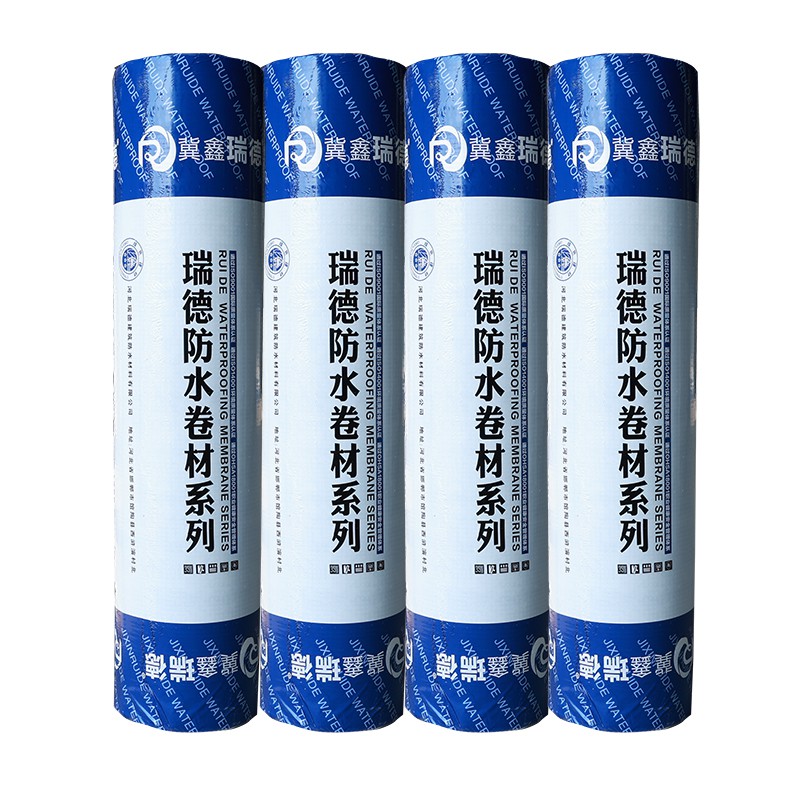

If you find any cracks, you'll need to fill them with an appropriate filler. For larger cracks, you might want to use a Self - adhesive Polymer Modified Bitumen Waterproof Membrane. It's a great product that can provide a strong seal and prevent water from seeping through.
Also, check the slope of the surface. PVC waterproofing works best when there's a proper slope for water drainage. If the surface is flat or has a negative slope, you'll need to correct it. You can use a leveling compound to create the right slope.
Cleaning the Surface
Once you've inspected the site, it's time to clean the surface. This is super important because any dirt, dust, grease, or debris can prevent the PVC membrane from sticking properly. You can use a pressure washer to clean the surface, but be careful not to damage it. If there are stubborn stains or grease, you might need to use a degreaser.
After cleaning, let the surface dry completely. Moisture can cause bubbles to form under the PVC membrane, which can lead to leaks. So, make sure the surface is bone - dry before moving on to the next step.
Measuring and Cutting
Accurate measurements are key when it comes to PVC waterproofing. You need to measure the area where the PVC membrane will be installed and add a little extra for overlaps. Overlapping the PVC sheets is important to ensure a watertight seal.
When cutting the PVC membrane, use a sharp utility knife. Make sure your cuts are straight and precise. You can use a straightedge or a chalk line to guide your cuts. It's also a good idea to label the pieces so you know where they go during installation.
Gathering Tools and Materials
Before you start the installation, gather all the tools and materials you'll need. Here's a list of some essential items:
- PVC waterproofing membrane: Of course, this is the main material. Make sure you have enough to cover the area.
- Adhesive: You'll need an adhesive to bond the PVC membrane to the surface. A Fiber Reinforced Polymer Reactive Adhesive is a great choice as it provides a strong and durable bond.
- Roller: A roller is used to smooth out the PVC membrane and remove any air bubbles.
- Seam tape: This is used to seal the seams between the PVC sheets.
- Safety equipment: Don't forget safety goggles, gloves, and a dust mask. Working with PVC and adhesives can be hazardous, so it's important to protect yourself.
Weather Conditions
Pay attention to the weather conditions before installing PVC waterproofing. PVC membrane installation is best done when the temperature is between 50°F and 90°F (10°C and 32°C). Extreme temperatures can affect the adhesion of the membrane and the curing of the adhesive.
Also, avoid installing the PVC membrane in rainy or windy conditions. Rain can wash away the adhesive, and wind can make it difficult to handle the membrane. Check the weather forecast for a few days before and after the installation to ensure optimal conditions.
Testing the Adhesive
Before you start installing the entire PVC membrane, it's a good idea to do a small test patch. Apply a small amount of adhesive to a corner of the surface and attach a small piece of the PVC membrane. Let it cure according to the manufacturer's instructions.
After the curing time, check the adhesion of the test patch. If it's not sticking well, you might need to adjust the surface preparation or try a different adhesive. This test can save you a lot of time and hassle in the long run.
Installation Plan
Create an installation plan before you start. Decide where you'll start laying the PVC membrane and how you'll work your way across the surface. It's usually best to start from the lowest point and work your way up to ensure proper water drainage.
Also, plan for any penetrations, such as pipes or vents. You'll need to cut the PVC membrane around these penetrations and seal them properly to prevent leaks.
Training and Experience
If you're not experienced in installing PVC waterproofing, it's a good idea to get some training. You can attend a training course offered by the manufacturer or hire a professional installer. Installing PVC waterproofing requires skill and precision, and a little training can go a long way in ensuring a successful installation.
Quality Control
Throughout the installation process, do regular quality checks. Make sure the PVC membrane is properly adhered, there are no air bubbles, and the seams are well - sealed. If you notice any issues, address them immediately.
After the installation is complete, do a final inspection. Check for any signs of damage or improper installation. You can also do a water test to make sure the waterproofing is working effectively.
Conclusion
Preparing for PVC waterproofing installation is a multi - step process that requires careful planning and attention to detail. By following these steps, you can ensure a successful installation and a long - lasting waterproofing solution.
If you're in the market for high - quality PVC waterproofing materials, we're here to help. We offer a wide range of PVC waterproofing products that are designed to meet your specific needs. Whether you're working on a small residential project or a large commercial building, we've got you covered. Contact us today to start discussing your project and find the best PVC waterproofing solution for you.
References
- Manufacturer's installation guides for PVC waterproofing products.
- Industry standards and best practices for waterproofing installations.


