


Hey there! As a supplier of HDPE waterproofing membranes, I often get asked about the heat-aging resistance of these membranes. So, I thought I'd take a moment to break it down for you.
First off, let's talk about what heat aging is. Heat aging is a process where materials degrade over time due to exposure to high temperatures. This can cause a variety of issues, such as changes in the material's physical properties, like its strength, flexibility, and durability. For waterproofing membranes, heat aging can be particularly problematic because it can lead to cracks, leaks, and other failures that compromise the membrane's ability to keep water out.
Now, let's get into the heat-aging resistance of HDPE waterproofing membranes. HDPE, or high-density polyethylene, is a type of plastic that's known for its excellent chemical resistance, toughness, and durability. These properties make it a popular choice for waterproofing applications, especially in harsh environments where other materials might not hold up as well.
One of the key factors that contributes to the heat-aging resistance of HDPE waterproofing membranes is the material's high melting point. HDPE has a melting point of around 120-130°C (248-266°F), which means it can withstand relatively high temperatures without melting or deforming. This is important because it allows the membrane to maintain its integrity and performance even in hot climates or when exposed to direct sunlight.
Another factor that affects the heat-aging resistance of HDPE waterproofing membranes is the presence of additives. Many HDPE membranes are formulated with antioxidants, UV stabilizers, and other additives that help to protect the material from degradation caused by heat, light, and oxygen. These additives can significantly extend the lifespan of the membrane and improve its resistance to heat aging.

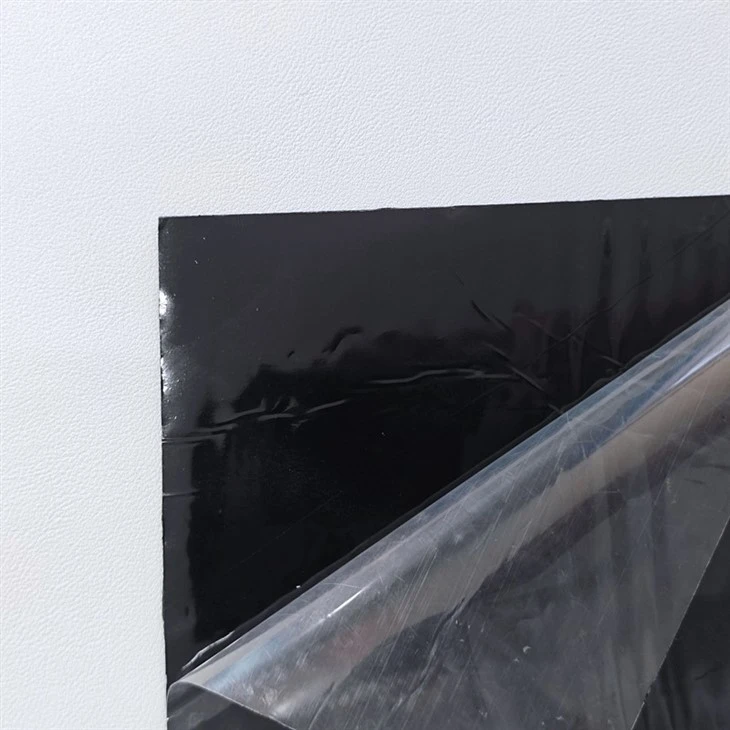
In addition to its high melting point and the presence of additives, the structure of HDPE waterproofing membranes also plays a role in their heat-aging resistance. HDPE membranes are typically made up of a series of layers that are bonded together to form a single, cohesive structure. This layered structure helps to distribute stress evenly across the membrane and prevent the formation of cracks and other defects that can lead to heat aging.
So, how do you know if an HDPE waterproofing membrane has good heat-aging resistance? One way is to look for membranes that have been tested and certified by independent organizations, such as the ASTM (American Society for Testing and Materials) or the ISO (International Organization for Standardization). These organizations have established standards and testing methods for evaluating the performance of waterproofing membranes, including their resistance to heat aging.
Another way to assess the heat-aging resistance of an HDPE waterproofing membrane is to look at the manufacturer's specifications and warranty. A reputable manufacturer will typically provide detailed information about the membrane's performance characteristics, including its heat-aging resistance, and will offer a warranty that covers defects and failures caused by normal use and exposure to the elements.
Of course, even the best HDPE waterproofing membranes will eventually degrade over time due to heat aging and other factors. That's why it's important to follow the manufacturer's installation and maintenance instructions carefully to ensure that the membrane performs as intended and lasts as long as possible. This may include things like proper surface preparation, correct installation techniques, and regular inspections and maintenance.
In conclusion, the heat-aging resistance of HDPE waterproofing membranes is an important factor to consider when choosing a waterproofing solution for your project. HDPE membranes offer excellent heat-aging resistance due to their high melting point, the presence of additives, and their layered structure. By choosing a high-quality HDPE membrane that has been tested and certified, and by following the manufacturer's installation and maintenance instructions, you can ensure that your waterproofing system will provide reliable protection against water damage for many years to come.
If you're interested in learning more about HDPE waterproofing membranes or other waterproofing solutions, I'd be happy to help. We offer a wide range of Anti Root Waterproofing Membrane, Fiber Reinforced Polymer Reactive Adhesive, and SBS Modified Bitumen Membrane products that are designed to meet the needs of a variety of applications. Just reach out to us, and we'll work with you to find the right solution for your project.
References
- ASTM International. (n.d.). ASTM standards for waterproofing membranes. Retrieved from [ASTM website]
- ISO. (n.d.). ISO standards for waterproofing materials. Retrieved from [ISO website]
- Manufacturer's product literature and specifications.


