


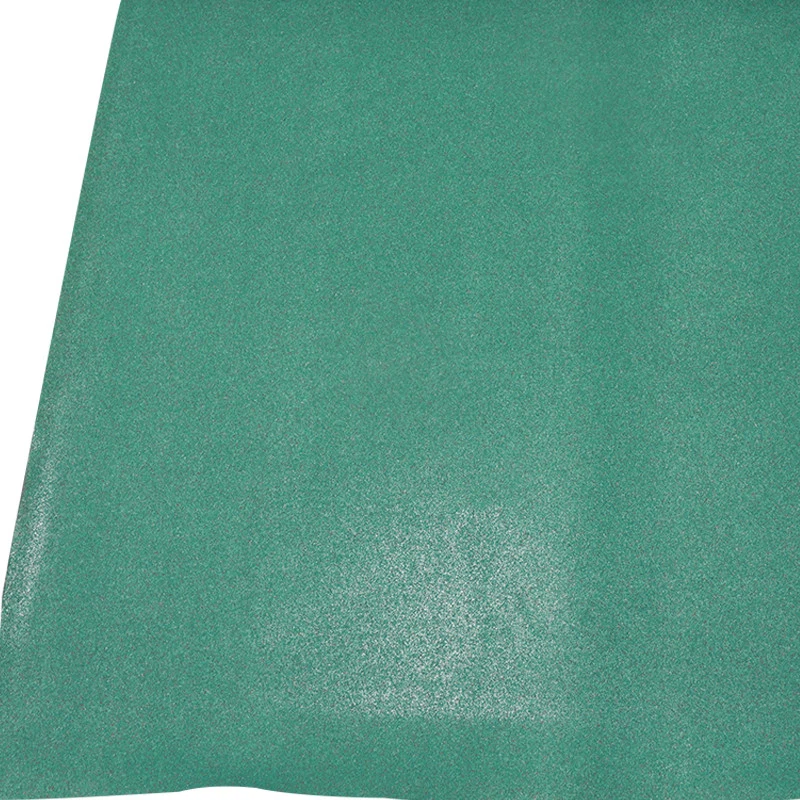
EVA (Ethylene-Vinyl Acetate) waterproofing membrane is a popular choice in the construction industry due to its excellent waterproofing properties, flexibility, and durability. However, one of the main challenges it faces is the damage caused by UV rays. As a leading EVA waterproofing membrane supplier, I understand the importance of protecting this valuable product from the harmful effects of UV radiation. In this blog, I will share some effective strategies to safeguard EVA waterproofing membrane from UV rays.
Understanding the Impact of UV Rays on EVA Waterproofing Membrane
Before delving into the protection methods, it's crucial to understand how UV rays affect EVA waterproofing membrane. UV radiation can cause several issues:
- Degradation: Prolonged exposure to UV rays can break down the chemical bonds in the EVA material. This leads to a loss of flexibility and strength, making the membrane more prone to cracking and tearing.
- Color Fading: UV rays can also cause the membrane to fade in color. While this may seem like a cosmetic issue, it can be an indication of underlying degradation.
- Reduced Lifespan: The overall lifespan of the EVA waterproofing membrane can be significantly reduced if it is not protected from UV rays. This means more frequent replacements and higher costs for the end - user.
Strategies to Protect EVA Waterproofing Membrane from UV Rays
1. Use UV - Resistant Coatings
One of the most effective ways to protect EVA waterproofing membrane from UV rays is to apply a UV - resistant coating. These coatings act as a shield, absorbing and reflecting the UV radiation before it can reach the membrane. There are different types of UV - resistant coatings available in the market:
- Acrylic Coatings: Acrylic coatings are popular due to their excellent UV resistance and weatherability. They form a thin, flexible layer on the surface of the membrane, protecting it from UV damage while allowing the membrane to maintain its flexibility.
- Silicone Coatings: Silicone coatings offer high - level UV protection and are also resistant to extreme temperatures. They can provide long - term protection for the EVA waterproofing membrane, even in harsh environmental conditions.
When applying a UV - resistant coating, it's important to follow the manufacturer's instructions carefully. Ensure that the surface of the membrane is clean and dry before application for optimal adhesion.

2. Install a Protective Layer
Another option is to install a protective layer over the EVA waterproofing membrane. This can be a physical barrier that blocks the UV rays from reaching the membrane directly.
- Geotextiles: Geotextiles are permeable fabrics that can be placed on top of the EVA membrane. They not only protect the membrane from UV rays but also provide additional mechanical protection against punctures and abrasions.
- Insulation Boards: Insulation boards can also serve as a protective layer. They are often made of materials that are resistant to UV radiation and can provide thermal insulation in addition to UV protection.
When installing a protective layer, make sure it is properly secured to prevent it from being blown away or displaced by wind or other forces.
3. Timely Installation
The longer the EVA waterproofing membrane is exposed to UV rays during the installation process, the more damage it can sustain. Therefore, it's important to plan the installation carefully and ensure that it is completed as quickly as possible.
- Scheduling: Schedule the installation during periods of low UV intensity, such as early morning or late afternoon. Avoid installing the membrane on days with high UV index forecasts.
- Covering During Installation: If the installation process is going to take several days, cover the exposed membrane with a UV - resistant tarp or other protective material during non - working hours.
4. Incorporate UV Stabilizers in the Manufacturing Process
As a supplier, we can also incorporate UV stabilizers into the EVA waterproofing membrane during the manufacturing process. UV stabilizers are chemical additives that can enhance the membrane's natural resistance to UV radiation.
- Hindered Amine Light Stabilizers (HALS): HALS are widely used in the plastics industry to improve UV resistance. They work by scavenging free radicals generated by UV exposure, preventing the degradation of the EVA material.
- UV Absorbers: UV absorbers are another type of additive that can be used. They absorb the UV radiation and convert it into heat, which is then dissipated, protecting the membrane from damage.
By using these additives, we can produce EVA waterproofing membranes with enhanced UV resistance right from the start.
Other Related Waterproofing Products
In addition to EVA waterproofing membrane, we also offer other high - quality waterproofing products such as Hdpe Self Adhesive Waterproof Membrane, Self - adhesive Polymer Modified Bitumen Waterproof Membrane, and Modified Bituminous Sheet Waterproofing. These products also have their own unique features and can be used in different waterproofing applications.
Conclusion
Protecting EVA waterproofing membrane from UV rays is essential to ensure its long - term performance and durability. By using UV - resistant coatings, installing a protective layer, ensuring timely installation, and incorporating UV stabilizers in the manufacturing process, we can effectively shield the membrane from the harmful effects of UV radiation.
As a supplier, we are committed to providing high - quality EVA waterproofing membrane and offering solutions to protect it from UV damage. If you are interested in our products or have any questions about waterproofing solutions, we encourage you to contact us for a detailed discussion. Our team of experts is ready to assist you in choosing the right product and protection methods for your specific needs.
References
- ASTM International. "Standard Test Methods for Evaluating the Resistance of Geomembranes to Environmental Stress Cracking." ASTM D5397.
- National Roofing Contractors Association (NRCA). "Roofing and Waterproofing Manual."
- Plastics Industry Association. "UV Resistance in Plastics: A Guide."


