Can Watertite Waterproofing be used on a cistern?
As a supplier of Watertite Waterproofing, I often receive inquiries from customers about the versatility of our product. One common question that comes up is whether Watertite Waterproofing can be used on a cistern. In this blog post, I'll delve into this topic, exploring the suitability of Watertite Waterproofing for cistern applications, the benefits it offers, and the steps to ensure a successful application.
Understanding Cisterns and Their Waterproofing Needs
Cisterns are water storage containers that come in various shapes, sizes, and materials, including concrete, plastic, and metal. They are used to collect and store rainwater, groundwater, or other sources of water for various purposes, such as domestic use, irrigation, or industrial processes. Given their function, cisterns must be waterproof to prevent water leakage, which can lead to water loss, structural damage, and contamination of the stored water.
Effective waterproofing is crucial for cisterns to maintain the integrity of the structure and the quality of the stored water. A reliable waterproofing solution should provide a durable, seamless barrier that can withstand the constant exposure to water, as well as resist the effects of chemicals, UV radiation, and temperature fluctuations.
The Suitability of Watertite Waterproofing for Cisterns
Watertite Waterproofing is a high - performance waterproofing product that is well - suited for use on cisterns. Here are some reasons why:
1. Excellent Waterproofing Properties
Watertite Waterproofing forms a continuous, impermeable membrane that effectively seals the surface of the cistern, preventing water from seeping through. Its advanced formulation ensures a high level of water resistance, even under high hydrostatic pressure, which is often present in cisterns due to the weight of the stored water.
2. Chemical Resistance
Cisterns may come into contact with various chemicals, such as disinfectants, fertilizers, or industrial pollutants, depending on the source and use of the stored water. Watertite Waterproofing is resistant to a wide range of chemicals, ensuring that the waterproofing membrane remains intact and effective over time.
3. Durability
The harsh environment inside a cistern, including constant water immersion, temperature changes, and potential physical damage, requires a waterproofing product that is highly durable. Watertite Waterproofing is designed to withstand these conditions, providing long - term protection for the cistern.
4. Compatibility with Different Materials
Whether your cistern is made of concrete, plastic, or metal, Watertite Waterproofing can be applied. It adheres well to a variety of substrates, ensuring a strong bond that enhances the overall performance of the waterproofing system.
Benefits of Using Watertite Waterproofing on Cisterns
1. Water Conservation
By preventing water leakage, Watertite Waterproofing helps to conserve water. This is especially important in areas where water is scarce or where water costs are high. It ensures that the water stored in the cistern is not wasted, making it available for its intended use.
2. Structural Protection
Water leakage can cause significant damage to the structure of the cistern over time. It can lead to corrosion of metal components, deterioration of concrete, and weakening of the overall structure. Watertite Waterproofing protects the cistern from these issues, extending its lifespan and reducing the need for costly repairs.
3. Water Quality Maintenance
A properly waterproofed cistern helps to maintain the quality of the stored water. It prevents contaminants from entering the cistern through leaks, ensuring that the water remains clean and safe for use.
Application Steps for Using Watertite Waterproofing on Cisterns
1. Surface Preparation
Before applying Watertite Waterproofing, the surface of the cistern must be properly prepared. This includes cleaning the surface to remove any dirt, debris, grease, or loose material. For concrete cisterns, it may also be necessary to repair any cracks or holes using a suitable Substrate Treatment Agent. The surface should be dry and free of any moisture before application.
2. Primer Application
Applying a primer is an important step to ensure good adhesion of the Watertite Waterproofing. The primer helps to seal the surface and create a better bond between the substrate and the waterproofing membrane. Follow the manufacturer's instructions for the proper application of the primer.
3. Watertite Waterproofing Application
Once the primer has dried, apply Watertite Waterproofing according to the recommended application method. This may involve using a brush, roller, or sprayer, depending on the size and shape of the cistern. Apply multiple coats if necessary, allowing sufficient drying time between each coat.
4. Inspection and Testing
After the Watertite Waterproofing has fully cured, inspect the cistern for any signs of damage or improper application. You can also conduct a water test to ensure that the waterproofing is effective. Fill the cistern with water and monitor it for a period of time to check for any leaks.
Additional Considerations
When using Watertite Waterproofing on cisterns, it's important to follow all safety precautions. Wear appropriate personal protective equipment, such as gloves and goggles, during the application process. Also, ensure that the area is well - ventilated to avoid inhaling any fumes.
If you are unsure about the application process or have specific requirements for your cistern, our technical support team is available to assist you. We can provide detailed guidance based on your cistern's material, size, and intended use.
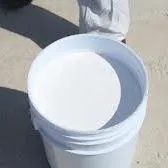

Related Products for Cistern Waterproofing
In addition to Watertite Waterproofing, we also offer other products that can enhance the waterproofing performance of your cistern. For example, the Ruide Brand High - Adhesion Anti - Slip Polymer - Modified Asphalt Waterproof Coating provides an extra layer of protection and can be used in combination with Watertite Waterproofing for added durability. The Water Resistant Paint for Roof can also be considered for some cistern applications, especially if the cistern is exposed to sunlight and requires UV protection.
Conclusion
In conclusion, Watertite Waterproofing is an excellent choice for waterproofing cisterns. Its superior waterproofing properties, chemical resistance, durability, and compatibility with different materials make it a reliable solution for protecting your cistern and ensuring the efficient use of stored water.
If you are considering waterproofing your cistern or have any questions about our Watertite Waterproofing product, we encourage you to contact us for a detailed discussion. Our team of experts is ready to provide you with the best advice and solutions for your specific needs. Let's work together to ensure the long - term performance of your cistern.
References
- Building Waterproofing Handbook, Third Edition. This handbook provides comprehensive information on various waterproofing products and techniques, including those suitable for cisterns.
- Technical literature provided by the manufacturers of waterproofing products, which offers detailed specifications and application guidelines.