


Can roof bitumen membrane be used on pitched roofs? That's a question I get asked a lot as a supplier of Roof Bitumen Membrane. And let me tell you, it's a topic that's got a lot of different angles to it.
First off, let's talk about what roof bitumen membrane is. It's basically a waterproofing material made from bitumen, which is a sticky, black, and highly viscous liquid or semi - solid form of petroleum. Bitumen membranes are known for their durability and water - resistant properties. They come in different types, like the Flat Roof Bitumen Membrane, which is often used on flat or low - slope roofs. But can they work on pitched roofs?
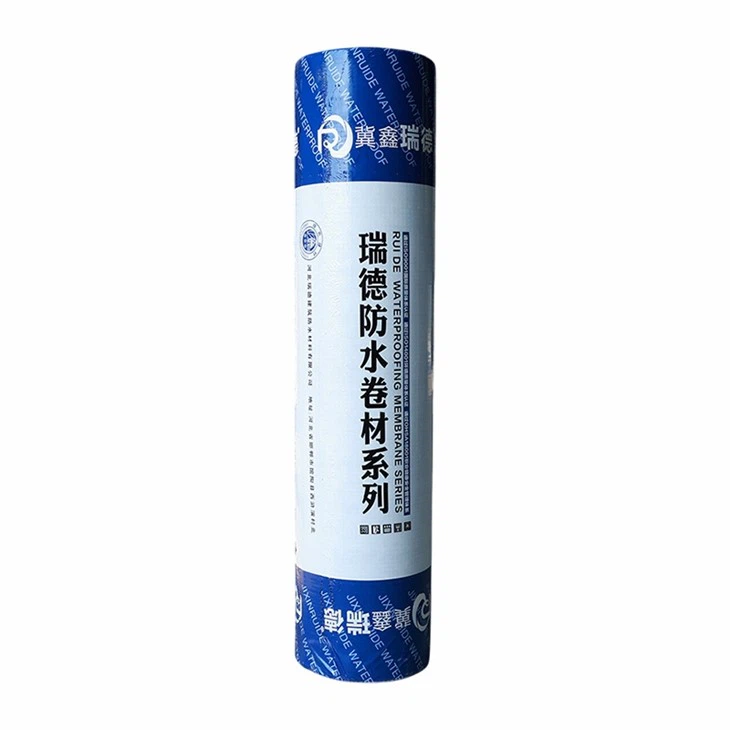
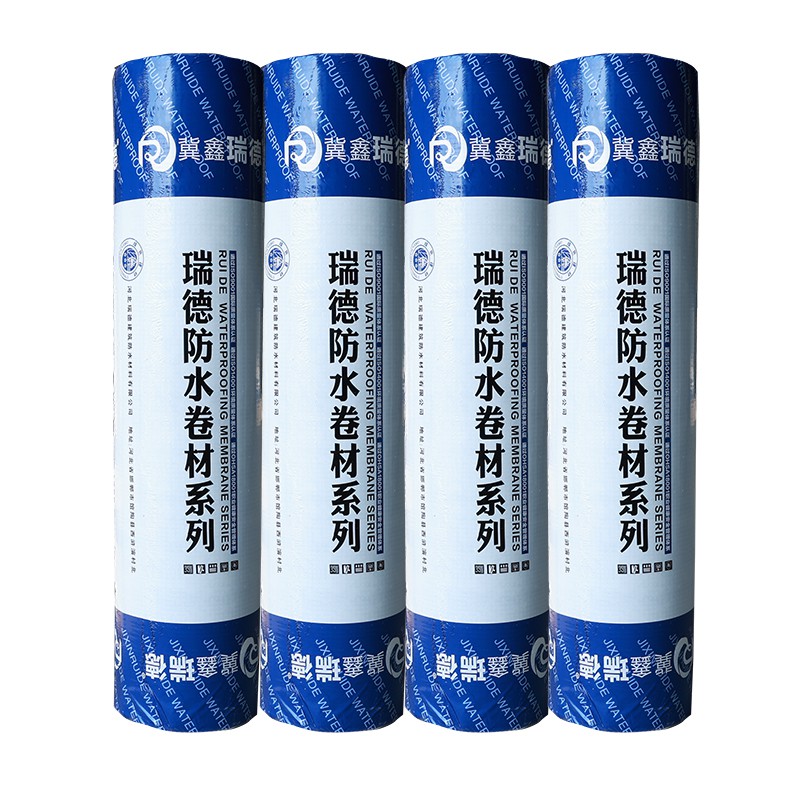
Well, the short answer is yes, roof bitumen membrane can be used on pitched roofs. Pitched roofs, those with a slope, are common in many residential and commercial buildings. They're designed to shed water quickly, and a bitumen membrane can add an extra layer of protection.
One of the main advantages of using bitumen membrane on pitched roofs is its waterproofing ability. Rain, snow, and other forms of precipitation can cause a lot of damage to a roof over time. A good quality bitumen membrane creates a seamless barrier that keeps water from seeping into the roof structure. This helps prevent issues like rot, mold, and water damage to the interior of the building.
Another plus is its durability. Bitumen membranes are tough. They can withstand harsh weather conditions, including extreme temperatures, UV rays, and strong winds. In areas where there are heavy storms or long, cold winters, a bitumen - coated pitched roof can hold up well over the years.
Now, let's talk about the installation process. Installing bitumen membrane on a pitched roof is a bit different from a flat roof. For pitched roofs, the membrane needs to be carefully laid to follow the slope. It's usually applied in overlapping layers to ensure there are no gaps where water could get through. The Modified Asphalt Waterproof Membrane for Roads and Bridges can also be used in some cases, as it has similar properties and can be adapted for pitched roof use.
When it comes to adhesion, that's where the Fiber Reinforced Polymer Reactive Adhesive comes in handy. This adhesive helps the bitumen membrane stick firmly to the roof surface. It's important to use the right adhesive because a poorly adhered membrane can peel off over time, especially on a pitched roof where gravity and wind can put extra stress on it.
However, there are also some challenges to using bitumen membrane on pitched roofs. One issue is the weight. Bitumen membranes can be heavy, and a pitched roof needs to be able to support that weight. Before installation, it's crucial to assess the roof's structural integrity. If the roof isn't strong enough, the added weight of the membrane could cause problems, like sagging or even collapse in extreme cases.
Another challenge is the installation itself. It requires some skill and experience. If the membrane isn't installed correctly, it can lead to leaks. For example, if the overlaps aren't done properly or if there are air bubbles trapped under the membrane, water can find its way in.
Cost is also a factor. Bitumen membranes can be more expensive than some other roofing materials. But when you consider the long - term benefits, like reduced maintenance and longer lifespan, it can be a worthwhile investment.
In terms of aesthetics, bitumen membranes come in different colors and finishes. You can choose one that complements the overall look of the building. Some membranes even have a smooth finish that gives the roof a modern and clean appearance.
So, if you're thinking about using roof bitumen membrane on your pitched roof, here are some things to keep in mind. First, make sure your roof can handle the weight. Second, hire a professional installer who has experience with bitumen membrane installation on pitched roofs. Third, choose the right type of membrane and adhesive for your specific needs.
As a supplier of Roof Bitumen Membrane, I've seen firsthand the benefits that these membranes can bring to pitched roofs. If you're in the market for a reliable and long - lasting roofing solution, bitumen membrane is definitely worth considering. Whether you're building a new home or renovating an existing one, it can provide the protection your roof needs.
If you're interested in learning more about our Roof Bitumen Membrane products or have any questions about using them on pitched roofs, don't hesitate to reach out. We're here to help you make the best decision for your roofing project. Contact us to start a discussion about your requirements and let's see how we can work together to get your pitched roof in top - notch condition.
References
- Building Materials Handbook: A comprehensive guide on different roofing materials and their applications.
- Roofing Industry Journal: Articles on the latest trends and best practices in roofing, including bitumen membrane use.


