


Can PVC Waterproofing be Installed on Insulated Roofs?
As a PVC waterproofing supplier, I often encounter questions from customers regarding the compatibility of PVC waterproofing with insulated roofs. This topic is crucial as it directly impacts the performance and longevity of a roofing system. In this blog, I will delve into the feasibility of installing PVC waterproofing on insulated roofs, exploring the technical aspects, benefits, challenges, and best practices.
Technical Feasibility
PVC waterproofing membranes are known for their excellent durability, flexibility, and resistance to various environmental factors such as UV radiation, chemicals, and extreme temperatures. Insulated roofs, on the other hand, are designed to reduce heat transfer, improve energy efficiency, and enhance the overall comfort of the building. The combination of PVC waterproofing and insulation can create a high - performance roofing system.
The key to successfully installing PVC waterproofing on an insulated roof lies in proper surface preparation and installation techniques. The insulation layer should be securely fastened to the roof deck to prevent any movement or displacement during the PVC membrane installation. Additionally, the insulation material should be compatible with the PVC membrane. Most modern insulation materials, such as rigid foam boards, are chemically stable and can work well with PVC.
Benefits of Installing PVC Waterproofing on Insulated Roofs
-
Enhanced Waterproofing Protection
- PVC membranes form a continuous, seamless barrier against water penetration. When installed on an insulated roof, they prevent water from reaching the insulation layer. This is crucial because wet insulation can significantly reduce its thermal performance and may even lead to structural damage over time.
-
Improved Energy Efficiency
- The combination of insulation and PVC waterproofing helps to maintain a stable indoor temperature. The insulation reduces heat transfer, while the PVC membrane protects the insulation from external elements that could degrade its performance. This results in lower energy consumption for heating and cooling, leading to cost savings for the building owner.
-
Long - Term Durability
- PVC waterproofing membranes have a long lifespan, often exceeding 20 years. When installed on an insulated roof, they can protect the insulation and the underlying structure from weathering, UV damage, and mechanical stress. This long - term durability reduces the need for frequent roof repairs and replacements.
-
Environmental Benefits
- Many PVC waterproofing membranes are recyclable at the end of their life cycle. Additionally, the energy savings achieved through the use of insulated roofs with PVC waterproofing contribute to a reduced carbon footprint.
Challenges and Considerations
- Installation Complexity
- Installing PVC waterproofing on an insulated roof requires skilled labor. The installer needs to ensure proper alignment, fastening, and sealing of the PVC membrane. Any mistakes during installation can compromise the waterproofing performance of the system.
- Temperature Sensitivity
- PVC membranes can be sensitive to temperature variations during installation. Extreme cold can make the membrane brittle, while extreme heat can cause it to expand and potentially lead to wrinkles or other installation issues. It is important to install PVC waterproofing within the recommended temperature range.
- Compatibility with Insulation Materials
- Although most insulation materials are compatible with PVC, it is still necessary to verify this before installation. Some insulation materials may release chemicals over time that could potentially react with the PVC membrane.
Best Practices for Installation
- Surface Preparation
- The insulation surface should be clean, dry, and free of any debris or contaminants. Any uneven areas on the insulation should be smoothed out to ensure a flat surface for the PVC membrane installation.
- Proper Fastening
- The PVC membrane should be securely fastened to the insulation layer. This can be done using mechanical fasteners or adhesives, depending on the specific product and installation requirements.
- Sealing and Seaming
- All seams and joints in the PVC membrane should be properly sealed. Heat - welding is a common method for joining PVC membranes, as it creates a strong, watertight seal.
Comparison with Other Waterproofing Options
There are other waterproofing options available in the market, such as the Hebei Ruide Roof Asphalt TPO Waterproof Membrane, Hebei Ruide Modified Asphalt Pre - paved Waterproof Membrane, and Flat Roof Bitumen Membrane.
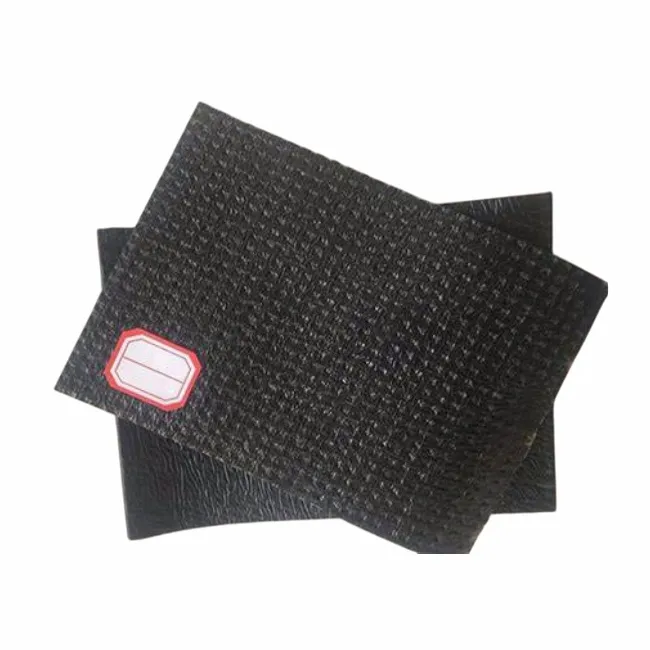

- TPO Membranes: TPO membranes are also popular for waterproofing. They are generally more flexible at low temperatures compared to PVC. However, PVC membranes often have better chemical resistance and long - term durability.
- Modified Asphalt Membranes: These membranes are cost - effective but may require more maintenance over time. PVC membranes, on the other hand, are relatively low - maintenance and have a longer lifespan.
- Bitumen Membranes: Bitumen membranes are traditional waterproofing materials. They are less flexible than PVC membranes and may be more prone to cracking in cold weather. PVC membranes offer better performance in terms of flexibility and waterproofing.
Conclusion
In conclusion, PVC waterproofing can be successfully installed on insulated roofs. It offers numerous benefits, including enhanced waterproofing, improved energy efficiency, and long - term durability. However, it is important to address the challenges associated with installation, such as complexity and temperature sensitivity. By following best practices and ensuring compatibility with insulation materials, a high - performance roofing system can be achieved.
If you are considering installing PVC waterproofing on your insulated roof or have any questions about our PVC waterproofing products, we invite you to contact us for a detailed discussion. Our team of experts can provide you with the necessary guidance and support to make the right decision for your roofing project.
References
- Building Enclosure Forensics: An Introduction to Building Enclosure Science and Building Science Investigations by John Straube and Joseph Lstiburek.
- Handbook of Building Construction: Materials, Methods, and Techniques by Edward Allen and Joseph Iano.
- Waterproofing and Damp - proofing by John W. Rose.


