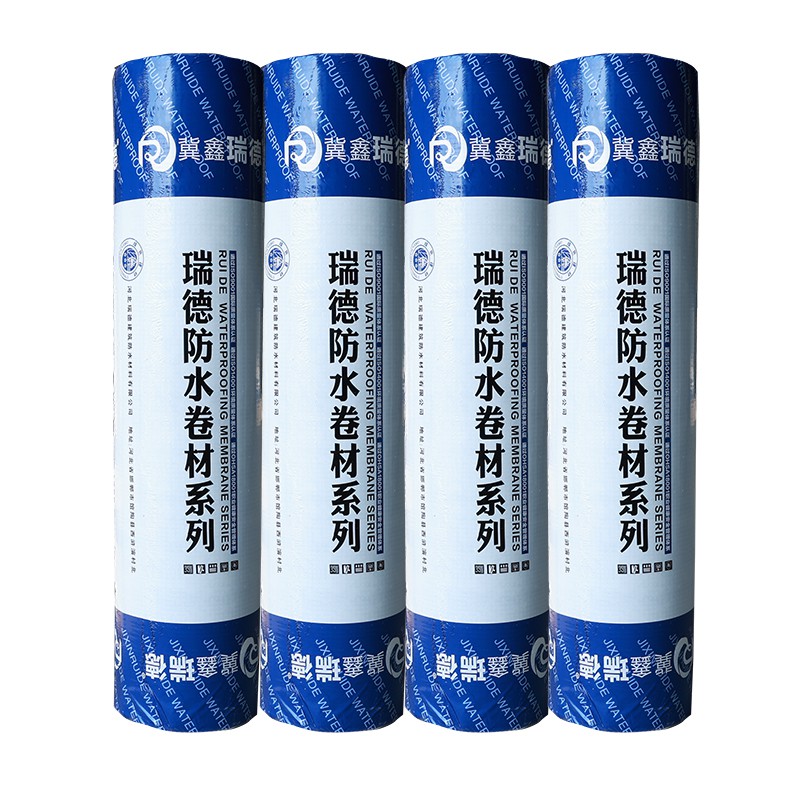
Polymer bitumen membranes are widely recognized in the construction industry for their excellent waterproofing properties. As a leading supplier of polymer bitumen membranes, I often receive inquiries about their resistance to chemicals. In this blog post, I will delve into the science behind the chemical resistance of polymer bitumen membranes, exploring their performance in various chemical environments and discussing the factors that influence their durability.


Understanding Polymer Bitumen Membranes
Before we discuss their chemical resistance, it's essential to understand what polymer bitumen membranes are. These membranes are composite materials made by blending bitumen, a viscous, black, and sticky substance derived from petroleum, with polymers such as styrene-butadiene-styrene (SBS) or atactic polypropylene (APP). The addition of polymers enhances the physical properties of bitumen, including its flexibility, elasticity, and resistance to temperature variations.
Polymer bitumen membranes are commonly used in waterproofing applications, such as roofing, basement waterproofing, and bridge decks. They provide a reliable barrier against water penetration, protecting structures from moisture damage and extending their lifespan.
Chemical Resistance of Polymer Bitumen Membranes
The chemical resistance of polymer bitumen membranes depends on several factors, including the type of polymers used, the chemical composition of the membrane, and the nature of the chemicals they are exposed to. In general, polymer bitumen membranes exhibit good resistance to a wide range of chemicals, including water, acids, alkalis, and some organic solvents.
Resistance to Water
Water is one of the most common chemicals that polymer bitumen membranes encounter in construction applications. These membranes are designed to be highly waterproof, providing an effective barrier against water penetration. The polymers in the membrane help to improve its flexibility and adhesion, ensuring a tight seal that prevents water from seeping through.
Resistance to Acids and Alkalis
Polymer bitumen membranes also show good resistance to acids and alkalis within a certain pH range. However, their resistance may vary depending on the concentration and type of acid or alkali. For example, membranes with SBS polymers generally have better resistance to acids and alkalis compared to those with APP polymers.
Resistance to Organic Solvents
The resistance of polymer bitumen membranes to organic solvents depends on the type of solvent and its concentration. Some solvents, such as gasoline and diesel, can cause swelling and softening of the membrane, reducing its mechanical properties and waterproofing performance. On the other hand, membranes may have better resistance to less aggressive solvents, such as ethanol and acetone.
Factors Affecting Chemical Resistance
Several factors can affect the chemical resistance of polymer bitumen membranes:
Polymer Type
As mentioned earlier, the type of polymers used in the membrane plays a crucial role in its chemical resistance. SBS polymers, for example, offer better flexibility and chemical resistance compared to APP polymers. Therefore, membranes with SBS polymers are often preferred in applications where chemical resistance is a critical requirement.
Membrane Thickness
The thickness of the polymer bitumen membrane also affects its chemical resistance. Thicker membranes generally provide better protection against chemical attack, as they have a greater mass of material to resist the penetration of chemicals.
Exposure Time and Concentration
The longer the membrane is exposed to chemicals and the higher the concentration of the chemicals, the more likely it is to be damaged. Therefore, it's important to consider the exposure conditions when selecting a polymer bitumen membrane for a specific application.
Applications Requiring Chemical Resistance
There are several construction applications where the chemical resistance of polymer bitumen membranes is essential:
Industrial Flooring
In industrial facilities, floors may be exposed to various chemicals, such as acids, alkalis, and solvents. Polymer bitumen membranes can be used as a waterproofing and chemical-resistant layer to protect the concrete substrate from damage.
Wastewater Treatment Plants
Wastewater treatment plants handle a variety of chemicals, including chlorine, sulfuric acid, and sodium hydroxide. Polymer bitumen membranes can be used to line tanks, basins, and channels, providing a reliable barrier against chemical corrosion.
Chemical Storage Tanks
Chemical storage tanks need to be lined with a material that can resist the chemicals they store. Polymer bitumen membranes can be an effective solution, as they offer good chemical resistance and waterproofing properties.
Comparing with Other Waterproofing Solutions
When considering waterproofing solutions, it's important to compare polymer bitumen membranes with other options, such as Water Repellent Paint for Walls, Elastomeric Paint Waterproofing, and Transparent Waterproof Coating.
- Water Repellent Paint for Walls: While water repellent paint can provide some protection against water, it may not offer the same level of chemical resistance as polymer bitumen membranes. Paint is typically a thinner coating and may be more susceptible to chemical damage.
- Elastomeric Paint Waterproofing: Elastomeric paint can provide good waterproofing and some flexibility, but its chemical resistance may be limited. Polymer bitumen membranes, on the other hand, are specifically designed to withstand a wider range of chemicals.
- Transparent Waterproof Coating: Transparent waterproof coatings are often used for aesthetic reasons, but they may not have the same durability and chemical resistance as polymer bitumen membranes.
Conclusion
In conclusion, polymer bitumen membranes can resist a wide range of chemicals, making them a suitable choice for many construction applications where chemical resistance is required. However, it's important to consider the specific chemical environment, the type of polymers used, and other factors when selecting a membrane.
As a supplier of polymer bitumen membranes, we offer a wide range of products that are designed to meet the diverse needs of our customers. Our membranes are tested to ensure their quality and performance, and we can provide technical support to help you choose the right product for your project.
If you are looking for a reliable polymer bitumen membrane with excellent chemical resistance, please feel free to contact us. We are ready to discuss your requirements and provide you with the best solutions for your construction projects.
References
- ASTM International. (20XX). Standard Test Methods for Evaluating the Chemical Resistance of Building Materials.
- European Committee for Standardization. (20XX). EN XXXX: Polymer Bitumen Membranes - Specification for Chemical Resistance.
- Construction Technology Laboratories. (20XX). Technical Report on the Chemical Resistance of Polymer Bitumen Membranes.