


Bitumen coating waterproofing is a popular choice for many construction and maintenance projects due to its excellent waterproofing properties. One of the related concerns that often comes up in discussions is whether bitumen coating waterproofing can prevent mold growth. As a supplier of bitumen coating waterproofing products, I'd like to delve into this topic to provide a comprehensive answer.

Understanding Bitumen Coating Waterproofing
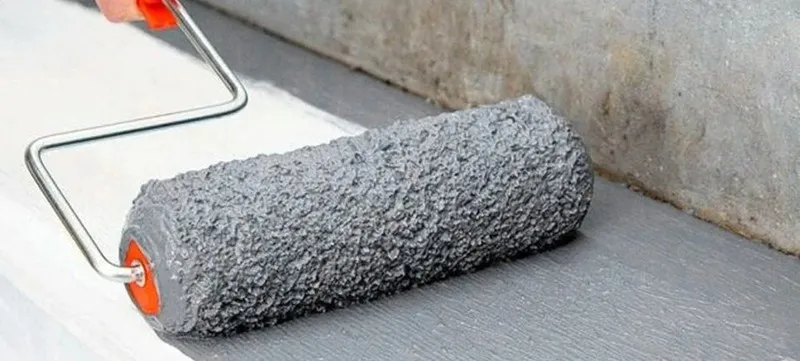
Bitumen, also known as asphalt, is a viscous, black, and sticky material derived from petroleum. Bitumen coating waterproofing involves applying a layer of bitumen - based material to a surface to prevent water penetration. This coating forms a flexible, waterproof membrane that can adhere well to various substrates such as concrete, metal, and wood.
There are different types of bitumen coatings, including hot - applied and cold - applied ones. Hot - applied bitumen coatings are heated to a high temperature before application, which allows for better flow and adhesion. Cold - applied bitumen coatings, on the other hand, are ready - to - use products that can be applied at ambient temperatures, making them more convenient for many projects.
The Relationship between Water and Mold Growth
Mold is a type of fungus that thrives in moist environments. It reproduces by releasing spores into the air, and when these spores land on a damp surface, they can start to grow and spread. Water is a crucial factor in mold growth. Without sufficient moisture, mold cannot survive and multiply.
Common sources of moisture that can lead to mold growth include leaks from roofs, pipes, or walls, high humidity levels, and condensation. When water accumulates on a surface for an extended period, it creates an ideal breeding ground for mold.
How Bitumen Coating Waterproofing Can Help Prevent Mold Growth
The primary way bitumen coating waterproofing can prevent mold growth is by blocking water from reaching the surface. By creating a waterproof barrier, it stops water from seeping into the substrate, whether it's a concrete wall, a metal roof, or a wooden deck.
For example, on a flat roof, a bitumen coating can prevent rainwater from penetrating through the roof structure. If water were to seep through the roof, it could cause the underlying insulation and ceiling materials to become damp, providing a perfect environment for mold to grow. With a bitumen coating, the water is redirected away from the roof, reducing the risk of mold development.
In basements, where moisture problems are common, bitumen coating can be applied to the exterior walls. This prevents groundwater from seeping into the basement, which can otherwise lead to mold growth on the interior walls and floors.
Limitations of Bitumen Coating Waterproofing in Preventing Mold Growth
While bitumen coating waterproofing is effective in preventing water penetration, it is not a foolproof solution for mold prevention. There are several factors that can limit its ability to completely stop mold growth.
Firstly, if the bitumen coating is not applied correctly, it may have gaps or weak spots where water can still penetrate. For instance, improper surface preparation before application can lead to poor adhesion of the coating, allowing water to seep through.
Secondly, high humidity levels can still pose a problem. Even if the bitumen coating prevents water from entering the structure, if the indoor humidity is consistently high, condensation can form on surfaces. This condensation can provide enough moisture for mold to grow, even in the presence of a waterproof coating.
Complementary Measures for Mold Prevention
To enhance the effectiveness of bitumen coating waterproofing in preventing mold growth, complementary measures should be taken.
Proper ventilation is essential. Good ventilation helps to reduce humidity levels by removing moist air from the indoor environment. In areas such as bathrooms, kitchens, and basements, exhaust fans should be installed to expel humid air.
Regular maintenance of the bitumen coating is also crucial. Inspect the coating periodically for any signs of damage, such as cracks or peeling. If any issues are found, they should be repaired promptly to ensure the continued effectiveness of the waterproofing.
In addition, using dehumidifiers can help to control humidity levels, especially in areas with high moisture problems. Dehumidifiers remove excess moisture from the air, making it less conducive for mold growth.
Comparison with Other Waterproofing Solutions
There are other waterproofing solutions available in the market, and it's worth comparing bitumen coating waterproofing with them in terms of mold prevention.
Hebei Ruide Polyurethane Roof Coating is a type of polyurethane - based waterproofing coating. Polyurethane coatings are known for their excellent flexibility and durability. They can provide a seamless waterproof membrane, similar to bitumen coatings. However, they may be more expensive than bitumen coatings. In terms of mold prevention, both types of coatings work by preventing water penetration, but the choice between them may depend on factors such as cost, substrate type, and environmental conditions.
Cementitious Waterproofing Coating is another option. These coatings are made from cement, sand, and special additives. They are often used for waterproofing concrete structures. While they are effective in preventing water seepage, they may not be as flexible as bitumen coatings. In areas where there is movement in the structure, bitumen coatings may be a better choice to prevent water penetration and subsequent mold growth.
Paint To Stop Water Leaks is a more lightweight waterproofing solution. It is easy to apply and can be used for small - scale waterproofing projects. However, it may not provide the same level of long - term protection as bitumen coating, especially in areas with heavy water exposure.
Conclusion
Bitumen coating waterproofing can play a significant role in preventing mold growth by effectively blocking water from reaching surfaces. However, it is not a standalone solution. Proper application, regular maintenance, and complementary measures such as ventilation and humidity control are necessary to maximize its effectiveness.
As a supplier of bitumen coating waterproofing products, I understand the importance of providing high - quality products and offering professional advice to our customers. If you are facing water and mold problems in your construction or maintenance projects, our bitumen coating waterproofing solutions can be a reliable choice. We are committed to helping you find the best waterproofing and mold prevention strategies. If you are interested in our products or have any questions, please feel free to contact us for procurement and further discussions.
References
- ASTM International. (20XX). Standard test methods for bituminous waterproofing materials.
- Building Research Establishment. (20XX). Guide to waterproofing and damp proofing in buildings.
- Environmental Protection Agency. (20XX). Mold prevention and remediation in buildings.


