


As a supplier of waterproof membranes, I often get asked about the fire resistance of these essential construction materials. Fire resistance is a critical factor, especially in building projects where safety is paramount. In this blog, I'll delve into what fire resistance means for waterproof membranes, the factors that influence it, and how our products stack up in this regard.
Understanding Fire Resistance of Waterproof Membranes
Fire resistance refers to a material's ability to withstand fire or slow down its spread. For waterproof membranes, it's about how well they can resist ignition, prevent flames from spreading, and maintain their structural integrity during a fire. This is crucial because in a building fire, waterproof membranes can be exposed to high temperatures and direct flames, and their performance can significantly impact the overall fire safety of the structure.
There are several standards and tests used to evaluate the fire resistance of building materials, including waterproof membranes. One of the most common is the ASTM E84 test, also known as the Steiner Tunnel Test. This test measures the surface burning characteristics of a material, including its flame spread index and smoke developed index. A lower flame spread index indicates better fire resistance.
Another important standard is the UL 790 test, which specifically evaluates the fire performance of roof coverings. This test assesses how well a roof covering can prevent the spread of fire from the exterior of a building to the interior.
Factors Affecting Fire Resistance
Several factors can influence the fire resistance of a waterproof membrane. The first is the type of material used in the membrane. For example, membranes made from bitumen, a petroleum-based material, are generally more flammable than those made from synthetic polymers. However, bitumen membranes can be modified to improve their fire resistance.

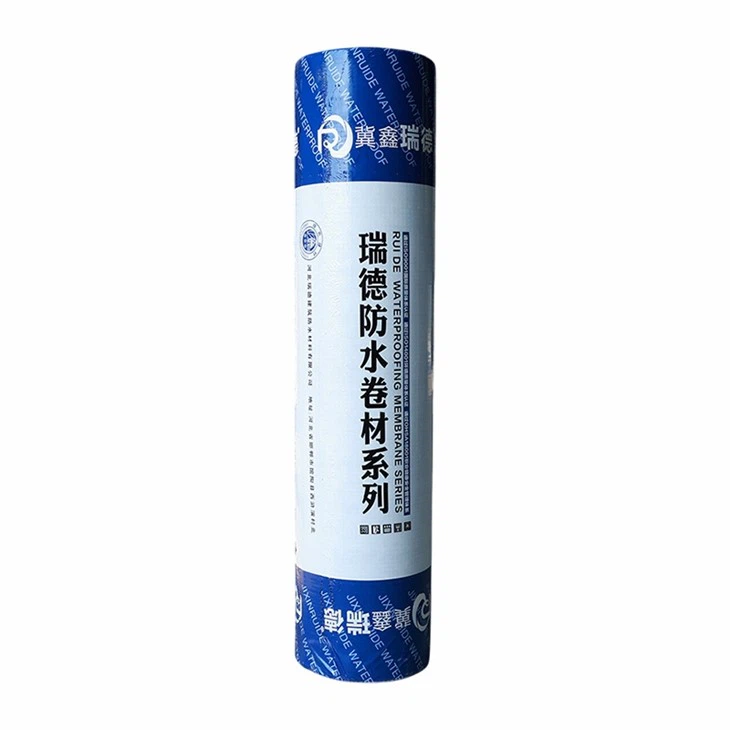
The thickness of the membrane also plays a role. Thicker membranes tend to have better fire resistance because they can provide more insulation and take longer to burn through. Additionally, the presence of fire retardant additives can significantly enhance the fire resistance of a waterproof membrane. These additives work by releasing chemicals that inhibit the combustion process.
The installation method can also affect fire resistance. Proper installation, including the use of appropriate adhesives and flashing, can help ensure that the membrane forms a continuous barrier and reduces the risk of fire penetration.
Our Waterproof Membranes and Fire Resistance
At our company, we offer a range of waterproof membranes with varying levels of fire resistance to meet the diverse needs of our customers. Our GP-MBS/MBA Elastomer (SBS), Plastomer(APP) and Modified Asphalt Waterproofing Membranes are designed with fire safety in mind. These membranes are made from high-quality materials and are often modified with fire retardant additives to improve their fire performance.
Our Flat Roof Bitumen Membrane is another popular option. While bitumen is a flammable material, our flat roof bitumen membranes are formulated to meet strict fire safety standards. They have been tested and certified to have a low flame spread index, making them a reliable choice for flat roof applications.
In addition, our Self Adhesive Bituminous Waterproofing Membrane offers excellent fire resistance. The self-adhesive feature not only makes installation easier but also helps to create a tight seal, reducing the risk of fire penetration.
Testing and Certification
We understand the importance of providing our customers with reliable and safe products. That's why all our waterproof membranes undergo rigorous testing to ensure they meet or exceed industry standards for fire resistance. We work with independent testing laboratories to conduct tests such as the ASTM E84 and UL 790 to verify the fire performance of our membranes.
Once a membrane has passed the required tests, it is certified to meet the relevant fire safety standards. This certification provides our customers with peace of mind, knowing that they are using a product that has been thoroughly tested and proven to be fire-resistant.
Importance of Fire Resistance in Building Projects
Fire resistance is not just a nice-to-have feature; it's a critical requirement in many building projects. In commercial and residential buildings, fire-resistant waterproof membranes can help prevent the spread of fire and protect the structure and its occupants. They can also reduce the risk of property damage and insurance claims.
In addition, many building codes and regulations require the use of fire-resistant materials in certain applications. For example, in high-rise buildings or buildings in areas with high fire risk, fire-resistant waterproof membranes may be mandatory. By using our fire-resistant waterproof membranes, our customers can ensure that their projects comply with these regulations and avoid potential legal issues.
Conclusion
In conclusion, the fire resistance of a waterproof membrane is an important consideration in building projects. It can significantly impact the safety and performance of a building. At our company, we are committed to providing our customers with high-quality waterproof membranes that offer excellent fire resistance. Our products are made from the best materials, are tested and certified to meet industry standards, and are backed by our expertise and experience.
If you're interested in learning more about our waterproof membranes or have any questions about fire resistance, please don't hesitate to contact us. We'd be happy to discuss your specific needs and help you choose the right product for your project. Let's work together to create a safer and more durable built environment.
References
- ASTM International. (2023). ASTM E84 - Standard Test Method for Surface Burning Characteristics of Building Materials.
- Underwriters Laboratories. (2023). UL 790 - Standard for Tests for Fire Resistance of Roof Coverings.


