


Hey there! As a supplier of pre - laid waterproof membranes, I often get asked if these products are environmentally friendly. It's a hot topic these days, and for good reason. We're all more conscious about the impact our choices have on the planet, so let's dig into this question and see what we can find out.
First off, let's understand what pre - laid waterproof membranes are. They're used in construction projects, mainly to prevent water from seeping through floors, walls, and other structures. There are different types of pre - laid waterproof membranes out there, and each has its own set of environmental pros and cons.
One popular type is the Polyethylene Polypropylene (Polyester) Composite Waterproof Membrane. These membranes are made from a combination of polyethylene and polypropylene (or polyester). On the plus side, they're pretty durable. That means less frequent replacement, which in turn reduces waste. If a building has a long - lasting waterproof membrane, it won't need to be torn out and replaced as often, saving materials and energy.
However, these materials are plastics. And we all know that plastics have a bit of a bad rap when it comes to the environment. They're made from petrochemicals, which are non - renewable resources. Extracting and processing these petrochemicals takes a lot of energy and can cause pollution. Also, when these membranes reach the end of their life, they don't break down easily in the environment. They can end up in landfills, where they'll sit for hundreds of years.
Another option is the Aluminum Foil Butyl Rubber Tape. This type of tape is often used for small - scale waterproofing jobs. The aluminum foil part is recyclable, which is a big plus. Aluminum recycling uses a lot less energy compared to producing new aluminum from bauxite ore. The butyl rubber, on the other hand, is a synthetic rubber. While it has good waterproofing properties, it's not biodegradable.
Butyl Rubber Tape is also commonly used. Similar to the aluminum foil version, the butyl rubber itself is non - biodegradable. But it does have a long service life. If it can prevent water damage in a building for a long time, it can save on the resources that would be needed for repairs and replacements.
Now, let's talk about the manufacturing process. When making pre - laid waterproof membranes, energy is consumed, and emissions are produced. The factories that make these products need to use a lot of heat and power to shape and treat the materials. Some manufacturers are starting to take steps to reduce their environmental impact. For example, they're using more energy - efficient equipment and looking into ways to reduce waste during production.
When it comes to installation, pre - laid waterproof membranes can be a win in terms of the environment. They're often easier and quicker to install compared to some traditional waterproofing methods. This means less time on the job site, which can reduce the amount of fuel used by construction vehicles and equipment. Also, because they're pre - laid, there's less chance of mistakes during installation, which could lead to wasted materials.
In terms of end - of - life disposal, as I mentioned earlier, many pre - laid waterproof membranes are difficult to recycle or biodegrade. But some companies are working on solutions. There are research projects looking into ways to break down these materials and reuse them in new products. For example, some plastics from old membranes could potentially be melted down and used to make other plastic items.
So, are pre - laid waterproof membranes environmentally friendly? Well, it's not a simple yes or no answer. There are aspects of these products that are good for the environment, like their durability and ease of installation. But there are also some negatives, mainly related to the materials they're made from and the challenges of disposal.
If you're a builder or someone involved in a construction project, you might be wondering what you can do. Look for manufacturers who are committed to sustainability. Ask about their energy - saving measures during production and their plans for recycling or reducing waste. You can also consider the overall life - cycle of the product. A more expensive membrane that lasts longer and has a lower environmental impact during its use might be a better choice in the long run.
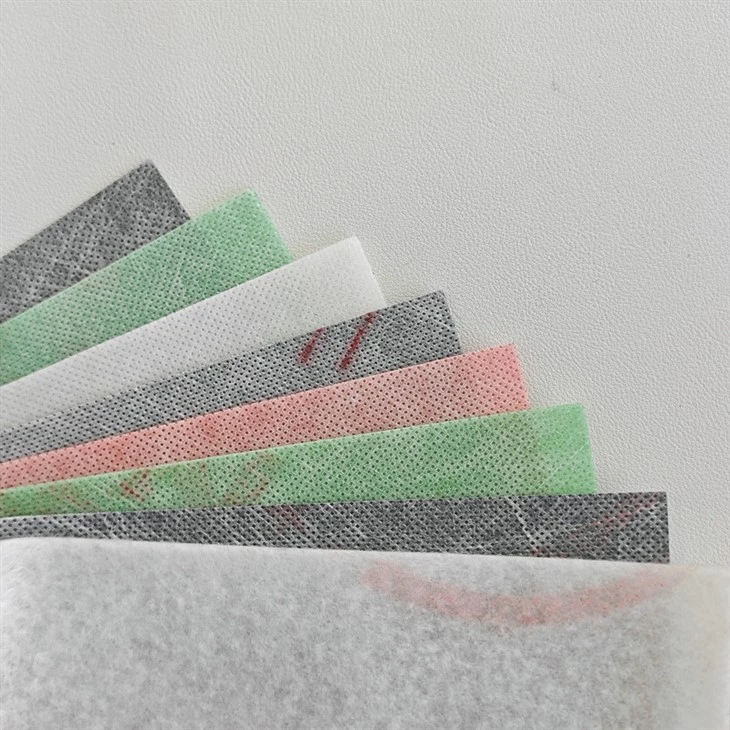

As a supplier, I'm constantly looking for ways to improve the environmental friendliness of the pre - laid waterproof membranes we offer. We're working with manufacturers to find better materials and more sustainable production methods.
If you're interested in learning more about our pre - laid waterproof membranes or want to discuss your specific waterproofing needs, I'd love to hear from you. Reach out to start a conversation about how we can work together on your next project. Let's make sure we're making choices that are good for your construction needs and the environment.
References
- General knowledge about waterproofing materials and environmental impact in the construction industry.
- Industry reports on the manufacturing and use of pre - laid waterproof membranes.


