


Hey there! If you're dealing with water leaks and thinking about using paint to fix them, you're probably wondering, "How many coats of paint to stop water leaks should I apply?" Well, you've come to the right place. I'm from a Paint To Stop Water Leaks supplier, and I'm here to break it down for you.
First off, let's understand why paint can be a great solution for water leaks. Paint acts as a barrier between the water and the surface it's applied to. It seals up tiny cracks and pores that water could otherwise seep through. But the number of coats you need depends on several factors.
Factors Affecting the Number of Coats
Type of Paint
There are different types of paints designed to stop water leaks. For example, Cementitious Waterproofing Coating is a popular choice. It's made of cement and other waterproofing additives. This type of paint is often quite thick and provides a strong barrier against water. Usually, 2 - 3 coats of cementitious waterproofing coating are sufficient. The first coat penetrates the surface and starts to seal the pores, while the subsequent coats build up the thickness and strength of the barrier.
Another type is Acrylic Polymer Modified Cement Based Waterproofing Coating. The acrylic polymer gives it more flexibility and better adhesion. With this type of paint, you might need 2 - 4 coats. If the surface is in really bad shape with lots of cracks, you'll probably want to go for 4 coats to ensure complete coverage and a long - lasting waterproofing effect.
Then there's Indoor Waterproof Paint. This is designed for use inside buildings, like in bathrooms or basements. It's usually less thick than the outdoor - grade paints. You can typically get away with 2 coats, but if there's a high risk of water exposure, like near a leaky pipe, 3 coats would be a safer bet.
Condition of the Surface
The state of the surface you're painting is crucial. If the surface is smooth, clean, and has only minor cracks, you won't need as many coats. But if it's rough, porous, or has large cracks, you'll need more. For instance, a concrete wall that's been weathered and has lots of small fissures will require more paint to fill in those gaps and create a waterproof layer. You might have to start with a primer or a filler to even out the surface first, and then apply 3 - 4 coats of the waterproof paint.
Severity of the Leak
A minor leak that's just starting might only need 2 coats of paint to stop it. But if you've got a major leak where water is gushing through, you'll need to take more drastic measures. In addition to applying multiple coats of paint (usually 4 or more), you might also have to address the underlying cause of the leak, like fixing a broken pipe or a damaged roof.
Applying the Coats
Now that you know how many coats you might need, let's talk about how to apply them. First, make sure the surface is clean. Remove any dirt, dust, or loose paint. You can use a wire brush or a pressure washer for this. If there are any cracks, fill them with a suitable filler and let it dry completely.
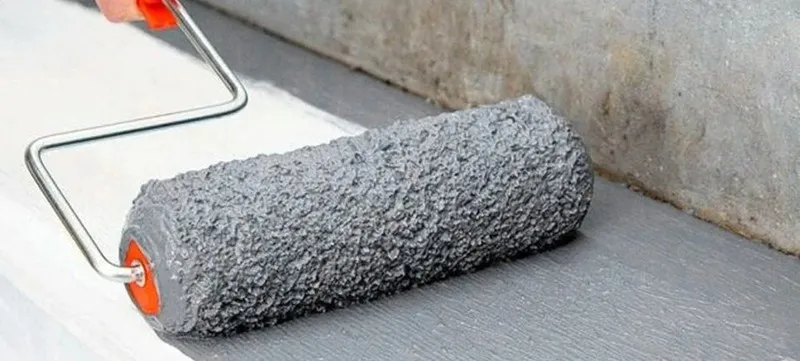
When applying the paint, use a good - quality brush or a roller. Start with the first coat and apply it evenly. Let it dry according to the manufacturer's instructions. This usually takes a few hours, but it can vary depending on the type of paint and the environmental conditions.
Once the first coat is dry, check for any areas that might need a touch - up. Then apply the second coat in the same way. If you're applying a third or fourth coat, repeat the process. Make sure each coat is completely dry before applying the next one.
Benefits of Using the Right Number of Coats
Applying the correct number of coats of paint to stop water leaks has several benefits. First of all, it ensures that your surface is properly protected from water damage. Water can cause all sorts of problems, like mold growth, rot, and structural damage. By using the right amount of paint, you can prevent these issues from occurring.

It also extends the lifespan of the paint job. If you apply too few coats, the paint might not be thick enough to withstand the water pressure, and it could start to peel or crack over time. On the other hand, applying too many coats can be a waste of time and money, and it might not necessarily improve the waterproofing.
Cost Considerations
Of course, the number of coats you apply will also affect the cost. More coats mean more paint, which means more money. But it's important to balance the cost with the long - term benefits. Spending a bit more on extra coats now can save you a lot of money in the future by preventing costly water damage repairs.
Contact Us for More Information
If you're still not sure how many coats of paint you need for your specific situation, or if you're interested in purchasing our Paint To Stop Water Leaks products, don't hesitate to get in touch. We've got a team of experts who can answer all your questions and help you choose the right product for your needs. Whether it's for a small home project or a large commercial building, we've got you covered.
References
- ASTM International. (2023). Standard Test Methods for Water Resistance of Coatings Using Water Immersion.
- Paint and Coatings Industry Magazine. (2022). Best Practices for Waterproofing with Paint.


