


A flat roof bitumen membrane is a popular choice for waterproofing flat roofs due to its durability and cost - effectiveness. However, to ensure the best performance and longevity of the bitumen membrane, applying a primer is a crucial step. As a flat roof bitumen membrane supplier, I am here to share with you the detailed process of applying a primer for a flat roof bitumen membrane.
Understanding the Importance of a Primer
Before delving into the application process, it's essential to understand why a primer is necessary. A primer serves multiple functions. Firstly, it cleans the roof surface by removing dirt, dust, and loose particles. This creates a clean and stable base for the bitumen membrane to adhere to. Secondly, a primer helps to seal the pores of the roof substrate, preventing bitumen from seeping into the base layer and ensuring proper adhesion. Lastly, it enhances the bonding between the bitumen membrane and the roof surface, which is vital for long - term waterproofing and the overall integrity of the roof.
Preparation
Assessing the Roof
The first step is to thoroughly assess the flat roof. Inspect for any cracks, holes, or uneven surfaces. These issues need to be repaired before applying the primer. For minor cracks, you can use a Butyl Rubber Tape to seal them. Larger holes may require a patching compound appropriate for the roof substrate.
Selecting the Right Primer
Choose a primer that is compatible with both the bitumen membrane and the roof substrate. Different types of roofs, such as concrete, wood, or metal, may require specific primers. For example, a concrete roof may need a primer designed to penetrate and bond with the porous surface of concrete, while a metal roof primer should have anti - corrosion properties. As a supplier, we can offer professional advice on the most suitable primer for your specific roof.
Gathering Tools and Materials
You will need several tools and materials for the primer application. These include paintbrushes or rollers, depending on the size of the roof area. For smaller areas or detailed work, paintbrushes are ideal, while rollers are more efficient for large, open spaces. Additionally, you'll need a container for mixing the primer (if required), safety equipment such as gloves and goggles, and a ladder or scaffolding to access the roof safely.
Surface Preparation
Cleaning the Roof
Use a broom or a blower to remove all loose debris, leaves, and dirt from the roof surface. For stubborn dirt or grease, you may need to use a mild detergent and water solution. Scrub the affected areas with a brush and then rinse thoroughly. Allow the roof to dry completely before proceeding. A wet surface can prevent the primer from adhering properly and may lead to future problems.
Repairing Imperfections
As mentioned earlier, any cracks, holes, or uneven areas should be fixed. For cracks in concrete roofs, you can fill them with a crack filler and smooth it out. On wooden roofs, replace any damaged boards and sand the surface to create a smooth finish. Metal roofs may require rust removal and treatment before applying the primer.

Applying the Primer
Mixing the Primer (if required)
Some primers come in a ready - to - use form, while others need to be mixed. If your primer requires mixing, follow the manufacturer's instructions carefully. Use a stirrer to blend the components thoroughly until you achieve a consistent texture.
Starting the Application
Begin at one corner of the roof and work your way across. Dip the paintbrush or roller into the primer and apply it evenly to the roof surface. For the first coat, use a thin layer to ensure good penetration. Work in small sections at a time to avoid the primer drying before you can spread it evenly.
Overlapping and Coverage
When applying the primer with a roller, overlap each pass slightly to ensure complete coverage. Pay special attention to the edges of the roof, around vents, pipes, and other protrusions. These areas are more prone to water leakage, so a thorough application of the primer is essential.
Multiple Coats
In most cases, two or more coats of primer are required. Allow the first coat to dry completely according to the manufacturer's instructions before applying the second coat. The drying time can vary depending on factors such as temperature, humidity, and the type of primer used. A second or third coat will provide better protection and adhesion for the bitumen membrane.
Drying and Inspection
Drying Time
After applying the final coat of primer, give it sufficient time to dry. This can range from a few hours to a couple of days, depending on the environmental conditions. Avoid walking on the primed surface during the drying period to prevent damage.
Inspection
Once the primer is dry, inspect the roof surface. Look for any areas where the primer may have been missed or applied unevenly. If you find any such areas, touch them up with additional primer. A well - applied primer should have a uniform appearance and feel smooth to the touch.
Installing the Bitumen Membrane
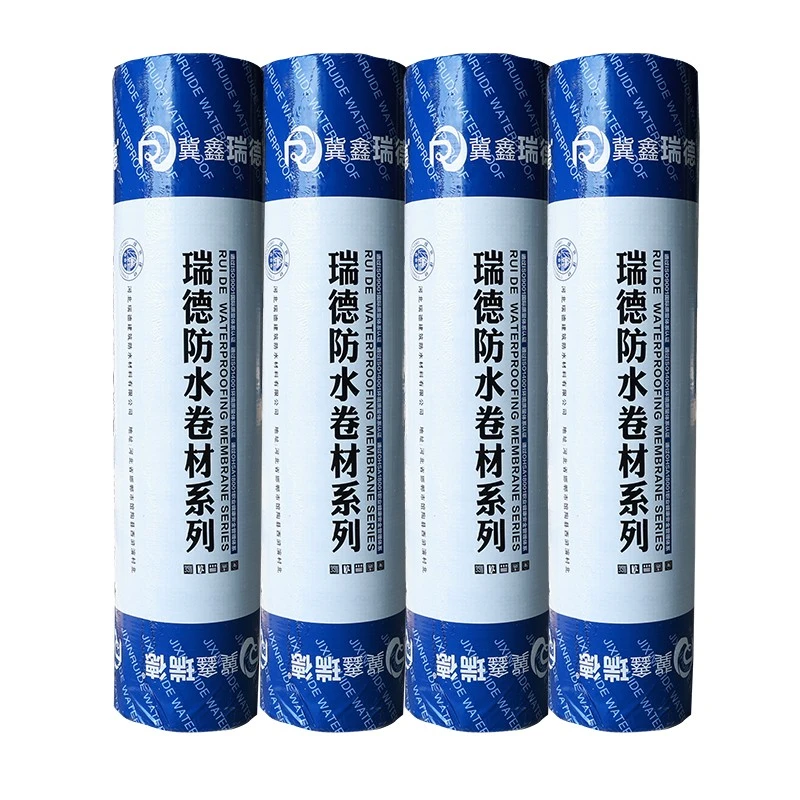
After the primer has dried and passed the inspection, you can proceed to install the flat roof bitumen membrane. There are different types of bitumen membranes available, such as Polymer Waterproofing Membrane and Self - adhesive Polymer Modified Bitumen Waterproof Membrane. Follow the manufacturer's instructions for the specific membrane you are using.
Conclusion
Applying a primer for a flat roof bitumen membrane is a critical step in ensuring a long - lasting and waterproof roof. By following the steps outlined above, you can achieve a high - quality installation. As a flat roof bitumen membrane supplier, we are committed to providing you with the best products and professional advice. If you are interested in purchasing our flat roof bitumen membranes or need more information about the application process, please feel free to contact us for a procurement discussion.
References
- Building Waterproofing Handbook, various authors.
- Bitumen Membrane Installation Guidelines, industry standards documents.


