


Can Polymer Waterproofing be Used in Industrial Buildings?
As a supplier of polymer waterproofing products, I've often been asked whether polymer waterproofing is suitable for industrial buildings. The answer is a resounding yes, and in this blog post, I'll delve into the reasons why polymer waterproofing is an excellent choice for industrial structures, explore the different types of polymer waterproofing materials available, and discuss the benefits they offer.
The Need for Waterproofing in Industrial Buildings
Industrial buildings are often exposed to harsh environmental conditions, heavy machinery, and a variety of chemicals. These factors can cause significant damage to the building's structure over time, especially if the building is not properly waterproofed. Water infiltration can lead to corrosion of steel structures, damage to concrete foundations, and the growth of mold and mildew, which can pose health risks to employees and compromise the integrity of the building.
In addition, industrial processes often generate large amounts of water, such as in manufacturing plants, food processing facilities, and wastewater treatment plants. Without proper waterproofing, this water can seep into the building's structure, causing damage and disrupting operations. Therefore, waterproofing is essential to protect industrial buildings from water damage and ensure their long-term durability.
Types of Polymer Waterproofing Materials
There are several types of polymer waterproofing materials available on the market, each with its own unique properties and applications. Some of the most common types of polymer waterproofing materials include:
-
Eva Waterproofing Membrane: Eva waterproofing membranes are made from ethylene-vinyl acetate (EVA) copolymer, which is a thermoplastic polymer. These membranes are highly flexible, durable, and resistant to UV radiation, chemicals, and punctures. They are commonly used in roofing, basement waterproofing, and underground structures. Eva Waterproofing Membrane
-
Polyethylene Polypropylene (Polyester) Composite Waterproof Membrane: Polyethylene polypropylene (polyester) composite waterproof membranes are made from a combination of polyethylene and polypropylene (or polyester) materials. These membranes are lightweight, easy to install, and have excellent waterproofing properties. They are commonly used in roofing, basement waterproofing, and tunnel waterproofing. Polyethylene Polypropylene (Polyester) Composite Waterproof Membrane
-
Anti Root Waterproofing Membrane: Anti root waterproofing membranes are designed to prevent the growth of plant roots through the waterproofing layer. These membranes are commonly used in green roofs, rooftop gardens, and other applications where plants are grown on the roof. They are made from a variety of materials, including PVC, TPO, and EPDM, and are highly resistant to root penetration. Anti Root Waterproofing Membrane
Benefits of Polymer Waterproofing in Industrial Buildings
Polymer waterproofing offers several benefits for industrial buildings, including:

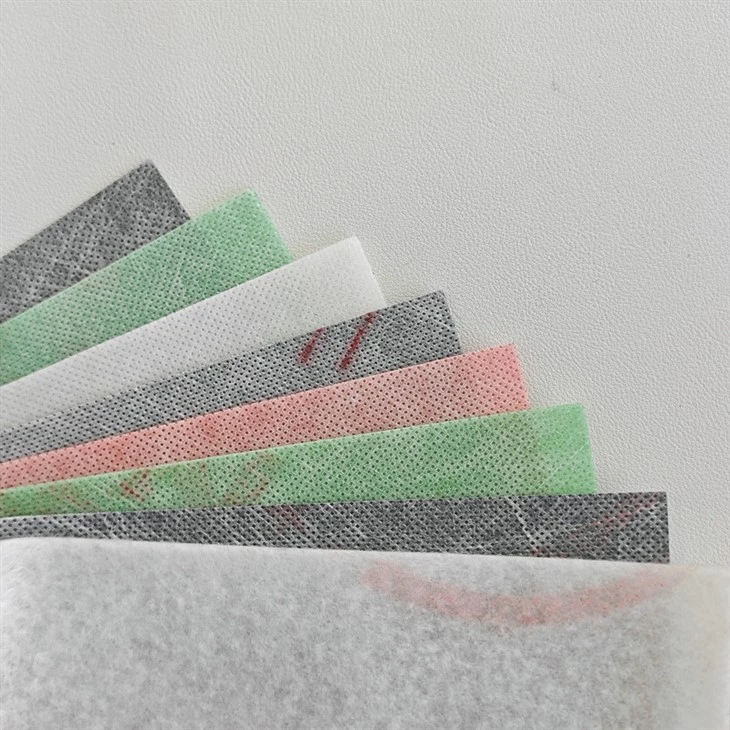
-
Excellent Waterproofing Performance: Polymer waterproofing materials are highly effective at preventing water infiltration, even in harsh environmental conditions. They form a continuous, seamless barrier that prevents water from seeping into the building's structure.
-
Durability and Longevity: Polymer waterproofing materials are designed to withstand the rigors of industrial use and have a long service life. They are resistant to UV radiation, chemicals, and punctures, which helps to ensure their long-term performance.
-
Flexibility and Adaptability: Polymer waterproofing materials are highly flexible and can be easily applied to irregular surfaces and complex geometries. They can also accommodate movement and settlement of the building's structure without cracking or peeling.
-
Easy Installation and Maintenance: Polymer waterproofing materials are relatively easy to install and require minimal maintenance. They can be applied using a variety of methods, including hot melt, cold adhesive, and self-adhesive, which makes them suitable for a wide range of applications.
-
Cost-Effective: Polymer waterproofing materials are a cost-effective solution for industrial buildings. They offer a long service life and require minimal maintenance, which helps to reduce the overall cost of ownership.
Case Studies
To illustrate the effectiveness of polymer waterproofing in industrial buildings, let's take a look at a few case studies:
-
Manufacturing Plant: A manufacturing plant in a coastal area was experiencing water infiltration through the roof, which was causing damage to the equipment and inventory inside the building. The plant management decided to install an Eva waterproofing membrane on the roof to prevent further water damage. The membrane was installed quickly and easily, and since then, the plant has not experienced any water infiltration issues.
-
Food Processing Facility: A food processing facility was experiencing water infiltration through the basement walls, which was causing mold and mildew growth and posing a health risk to the employees. The facility management decided to install a polyethylene polypropylene (polyester) composite waterproof membrane on the basement walls to prevent further water damage. The membrane was installed using a cold adhesive method, and since then, the basement has been dry and free of mold and mildew.
-
Wastewater Treatment Plant: A wastewater treatment plant was experiencing water infiltration through the concrete tanks, which was causing corrosion of the steel reinforcement and compromising the integrity of the tanks. The plant management decided to install an anti root waterproofing membrane on the concrete tanks to prevent further water damage. The membrane was installed using a hot melt method, and since then, the tanks have been free of water infiltration and corrosion.
Conclusion
In conclusion, polymer waterproofing is an excellent choice for industrial buildings. It offers excellent waterproofing performance, durability, flexibility, and ease of installation and maintenance. There are several types of polymer waterproofing materials available on the market, each with its own unique properties and applications. By choosing the right polymer waterproofing material for your industrial building, you can protect it from water damage and ensure its long-term durability.
If you're interested in learning more about polymer waterproofing for your industrial building, please don't hesitate to contact us. We'd be happy to discuss your specific needs and provide you with a free consultation and quote.
References
- ASTM International. (2021). Standard Test Methods for Determining the Water Vapor Permeance of Sheet Materials. ASTM E96/E96M-21.
- British Standards Institution. (2018). BS 8102:2018 - Protection of below ground structures against water from the ground.
- International Code Council. (2021). International Building Code (IBC) - 2021 Edition.


