


Can a waterproof membrane be applied over an existing roof?
As a supplier of waterproof membranes, I often encounter inquiries from customers regarding the possibility of applying a waterproof membrane over an existing roof. This is a common question, especially for those looking to renovate or enhance the waterproofing of their buildings without the need for a complete roof replacement. In this blog post, I will explore the feasibility, benefits, considerations, and application processes related to applying a waterproof membrane over an existing roof.
Feasibility of Applying a Waterproof Membrane Over an Existing Roof
The short answer is yes, in many cases, a waterproof membrane can be applied over an existing roof. However, this is contingent upon several factors. Firstly, the condition of the existing roof is crucial. If the roof has significant structural damage, large cracks, or extensive rot, it may not be suitable for direct membrane application. In such cases, it is advisable to repair or replace the damaged sections before proceeding with the membrane installation.
Another important factor is the type of existing roofing material. Different roofing materials have different surface characteristics, which can affect the adhesion and performance of the waterproof membrane. For example, a smooth and clean surface is generally more conducive to membrane application than a rough or dirty one. Some common roofing materials, such as asphalt shingles, metal roofs, and concrete roofs, can typically support the application of a waterproof membrane, but proper surface preparation is essential.
Benefits of Applying a Waterproof Membrane Over an Existing Roof
There are several advantages to applying a waterproof membrane over an existing roof. One of the primary benefits is cost - effectiveness. Compared to a complete roof replacement, applying a waterproof membrane is often a more affordable option. It can save on labor costs, as well as the cost of new roofing materials. Additionally, it reduces the time and disruption associated with a full - scale roof replacement, which is particularly beneficial for commercial or occupied buildings.

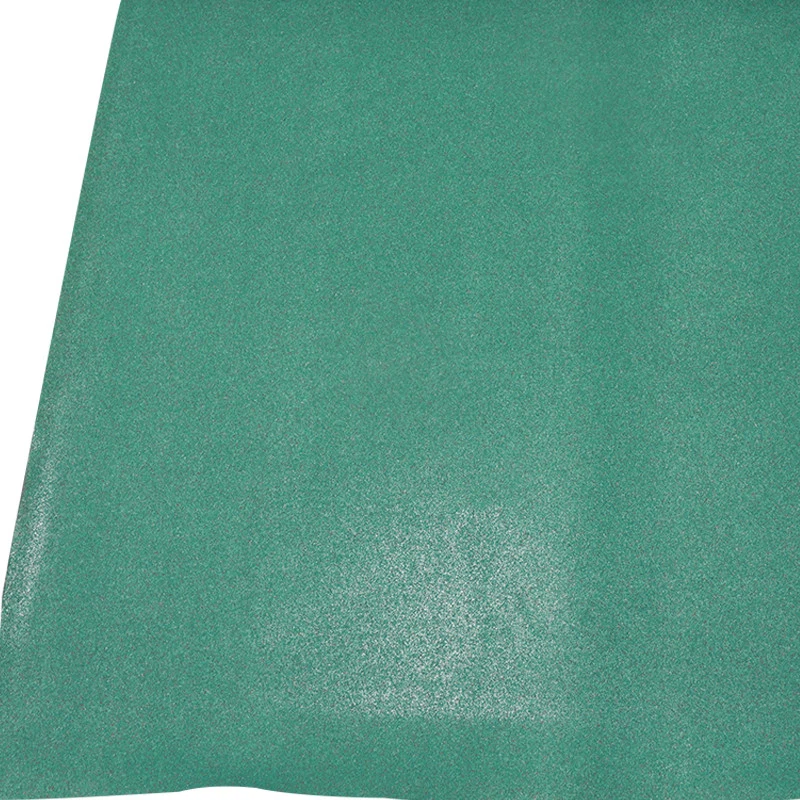
Another advantage is the enhanced waterproofing performance. A high - quality waterproof membrane can provide an additional layer of protection against water penetration, helping to prevent leaks and water damage. This can extend the lifespan of the existing roof and protect the building's interior from moisture - related issues such as mold growth and structural deterioration.
Furthermore, applying a waterproof membrane can improve the energy efficiency of the building. Some membranes have insulating properties, which can help to reduce heat transfer through the roof, resulting in lower energy consumption for heating and cooling.
Considerations Before Applying a Waterproof Membrane
Before applying a waterproof membrane over an existing roof, several considerations must be taken into account. As mentioned earlier, the condition of the existing roof needs to be thoroughly assessed. Any existing leaks, cracks, or damage should be repaired before membrane installation. It is also important to clean the roof surface to remove dirt, debris, and loose materials, as these can interfere with the adhesion of the membrane.
The climate and environmental conditions in the area where the building is located are also important factors. Different waterproof membranes have different temperature and weather resistance capabilities. For example, in areas with extreme heat or cold, a membrane with high - temperature stability or low - temperature flexibility may be required.
The type of waterproof membrane selected should be appropriate for the specific application. There are various types of waterproof membranes available on the market, each with its own characteristics and advantages. For instance, Polyethylene Polypropylene (Polyester) Composite Waterproof Membrane is known for its good tensile strength and chemical resistance. Hdpe Self Adhesive Waterproof Membrane offers easy installation and excellent waterproofing performance. TPO Waterproofing Roll Of Waterproof Membrane is popular for its durability and resistance to UV rays.
Application Process
The application process of a waterproof membrane over an existing roof typically involves the following steps:
- Surface Preparation: As mentioned, the roof surface must be cleaned and repaired. This may involve power washing to remove dirt and debris, patching cracks, and replacing damaged sections of the roof.
- Priming (Optional): In some cases, a primer may be applied to the roof surface to improve the adhesion of the waterproof membrane. The primer should be allowed to dry completely before proceeding with the membrane installation.
- Membrane Installation: The waterproof membrane is then unrolled and applied to the roof surface. Depending on the type of membrane, it may be adhered using adhesive, heat - welding, or mechanical fasteners. It is important to ensure that the membrane is properly aligned and sealed at the seams to prevent water penetration.
- Flashing Installation: Flashing is installed around roof penetrations, such as vents, chimneys, and skylights, to provide additional waterproofing protection. The flashing should be properly sealed to the membrane to create a watertight barrier.
- Inspection: After the membrane and flashing are installed, a thorough inspection should be carried out to ensure that there are no gaps, wrinkles, or other issues that could compromise the waterproofing performance.
Conclusion
In conclusion, applying a waterproof membrane over an existing roof is a viable option in many situations, offering cost - effectiveness, enhanced waterproofing, and improved energy efficiency. However, it is essential to carefully assess the condition of the existing roof, select the appropriate membrane, and follow the proper application procedures.
If you are considering applying a waterproof membrane over your existing roof, or if you have any questions about our waterproof membrane products, please do not hesitate to contact us. Our team of experts is ready to assist you in finding the best solution for your specific needs. We look forward to the opportunity to work with you on your next roofing project.
References
- Building Waterproofing Handbook, various authors
- Technical guidelines from waterproof membrane manufacturers


